Blog — diamonds and gemstones
Diamonds and gemstones: guides to choosing, treatments, care and gemmological news.
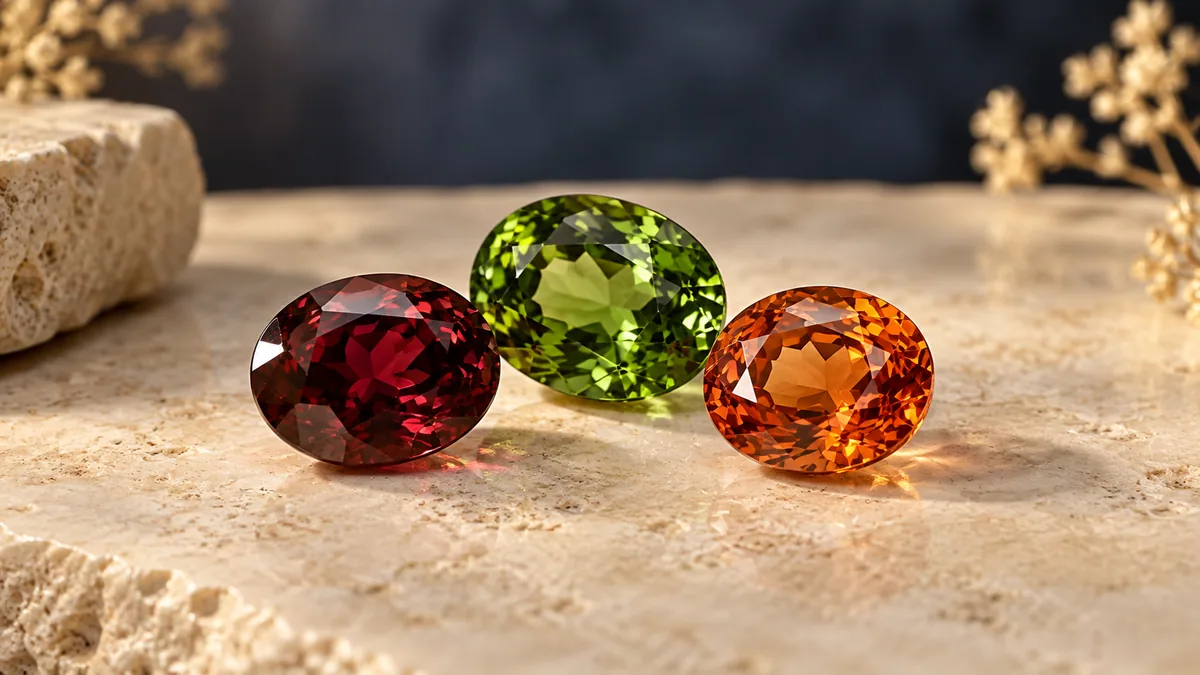
Garnet is more than red: tsavorite, demantoid, rhodolite and spessartine
Garnets form a mineral group with many colours. Understand variety names and why they should not all be compared alike.
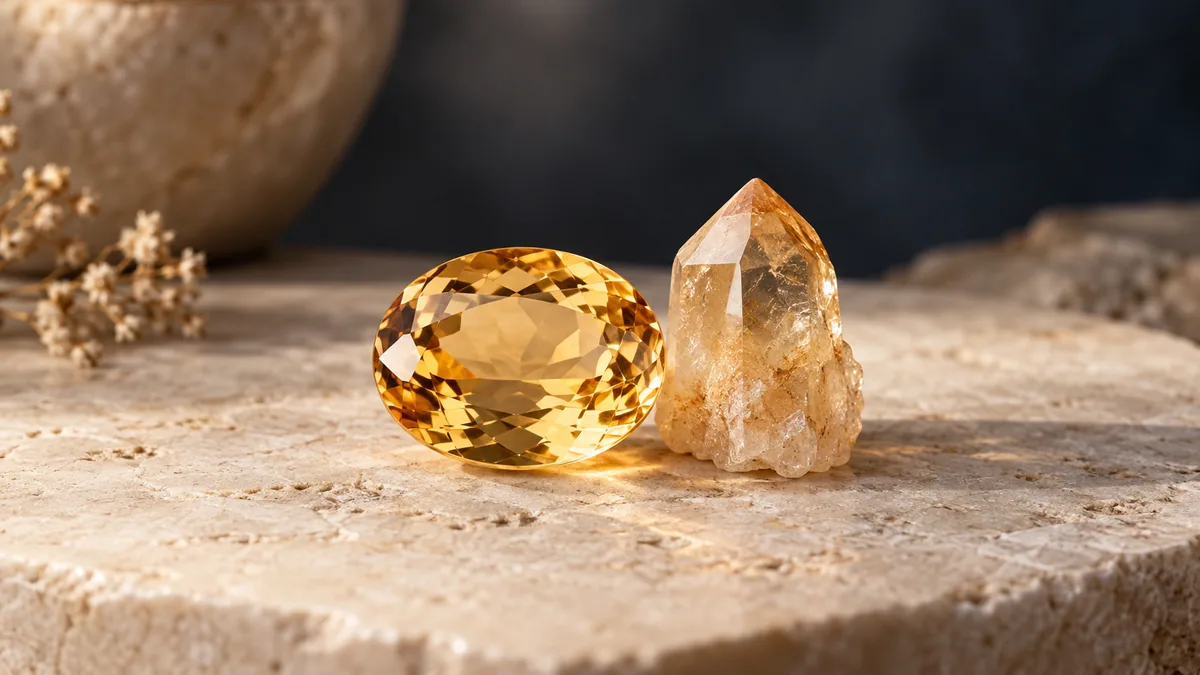
Natural or heat-produced citrine: what buyers should know
Citrine is yellow-to-orange quartz. Discuss colour origin and understand why it should not be confused with topaz.
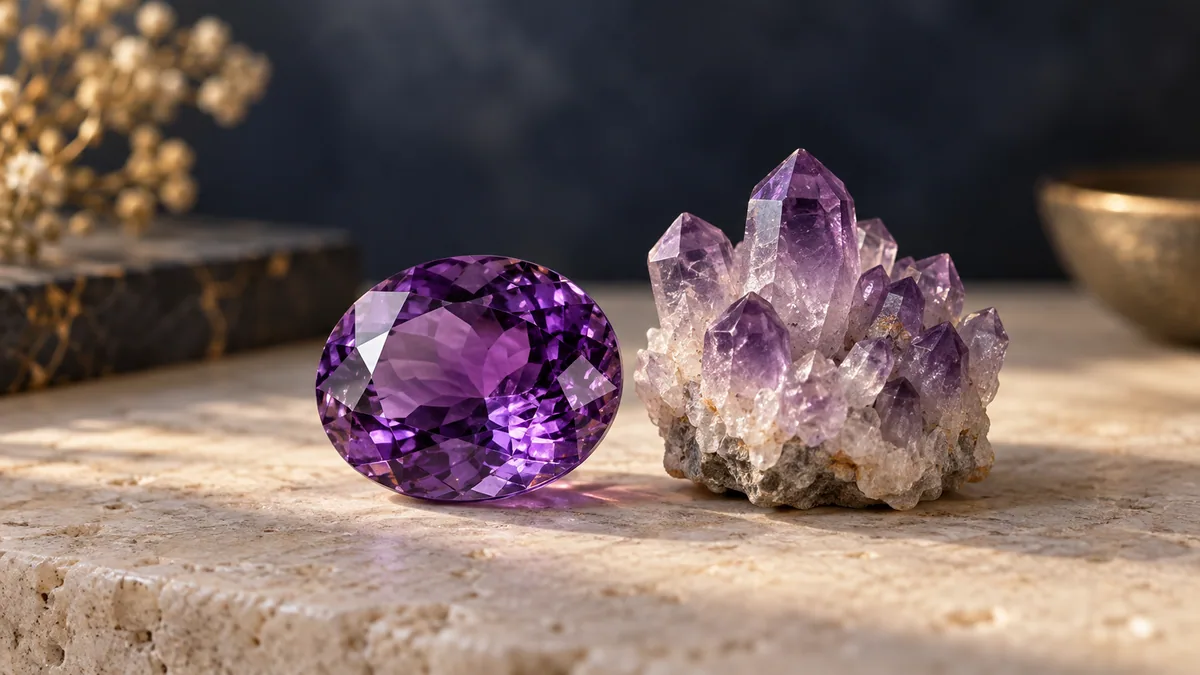
Amethyst: choosing colour and verifying natural origin
Amethyst is violet quartz. Learn to assess colour distribution and what a photograph cannot establish.
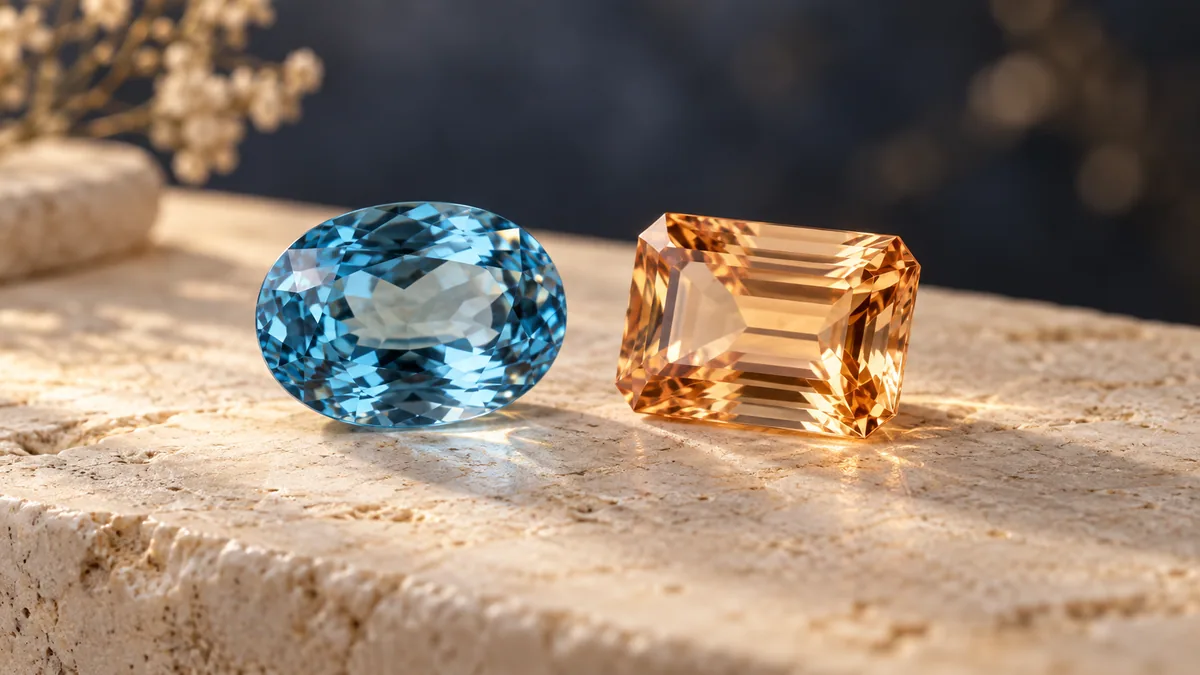
Blue and imperial topaz: names, treatments and care
Topaz occurs in many colours. Understand blue and imperial descriptions, treatments and what cleavage means for wear.
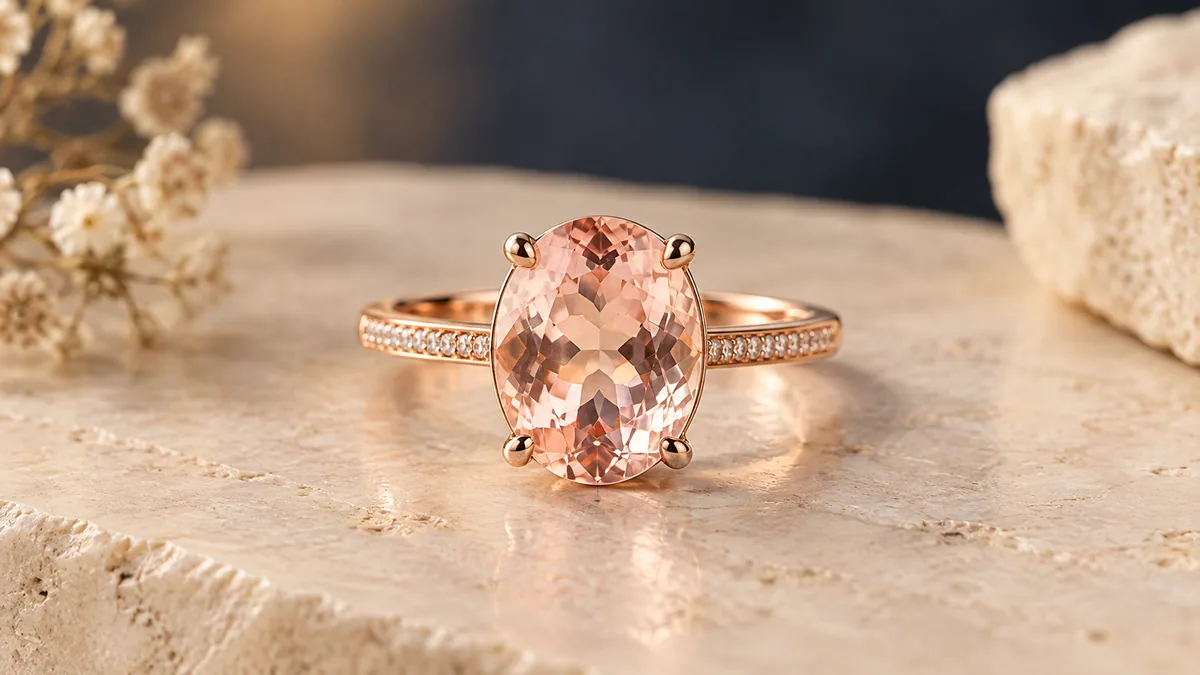
Morganite rings: delicate pink, dimensions and choosing a setting
Morganite is pink to orangy-pink beryl. View it beside the intended metal and clarify the description before buying.
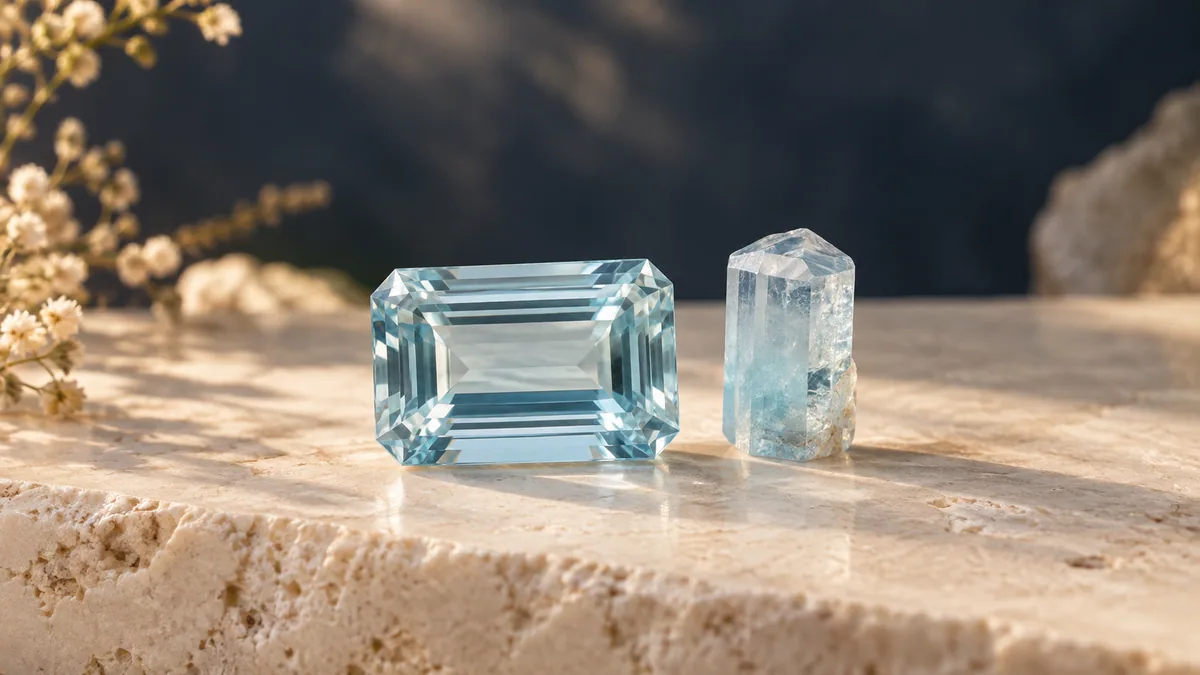
Aquamarine: choosing a blue you enjoy beyond the photograph
Aquamarine is blue to greenish-blue beryl. Learn what to observe in colour, transparency and proportions.
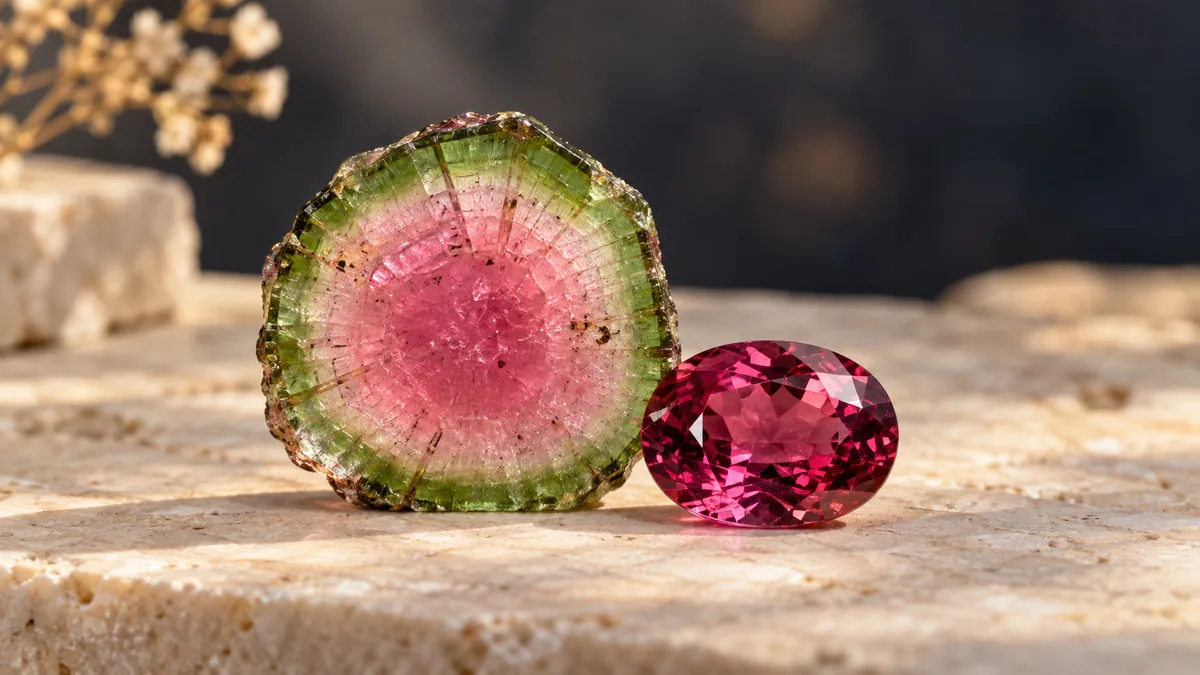
Tourmaline: rubellite, indicolite and bi-coloured stones explained
Tourmalines offer a wide palette. Understand their trade names and choose a gemstone with distinct colour zones.
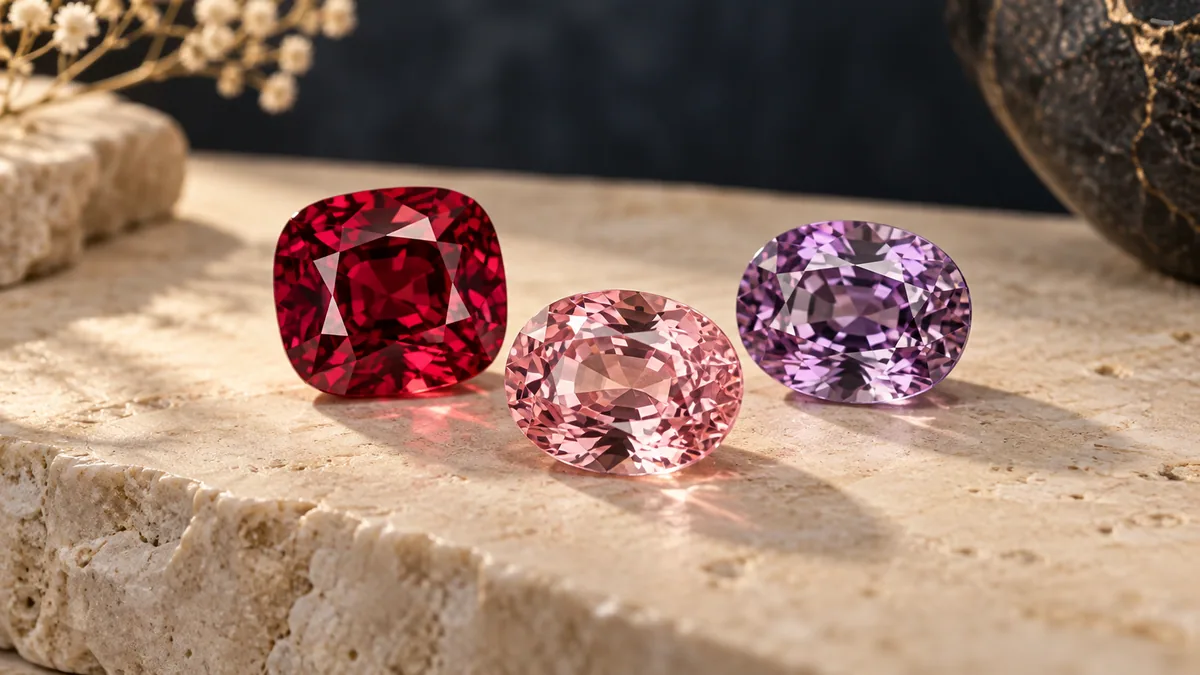
Spinel: a gemstone with its own identity, once mistaken for ruby
Spinel can be red, pink, violet or blue. Appreciate it on its own merits rather than simply as a ruby substitute.
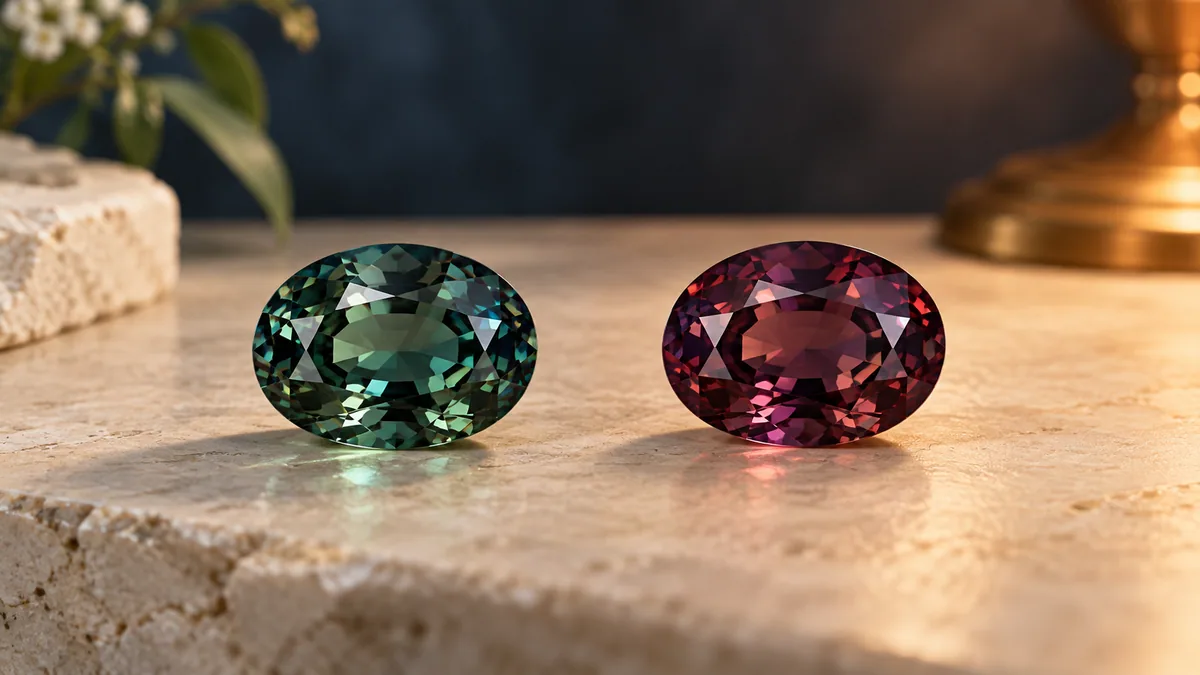
Alexandrite: observing colour change and understanding its limits
Alexandrite can change colour between light sources. Learn how to compare the effect and when identification is required.
Have a gemstone or jewellery item to examine?
Book an examination in Bucharest. Clear findings, a written report and no obligation.