Natural zircon and cubic zirconia: similar names, different materials
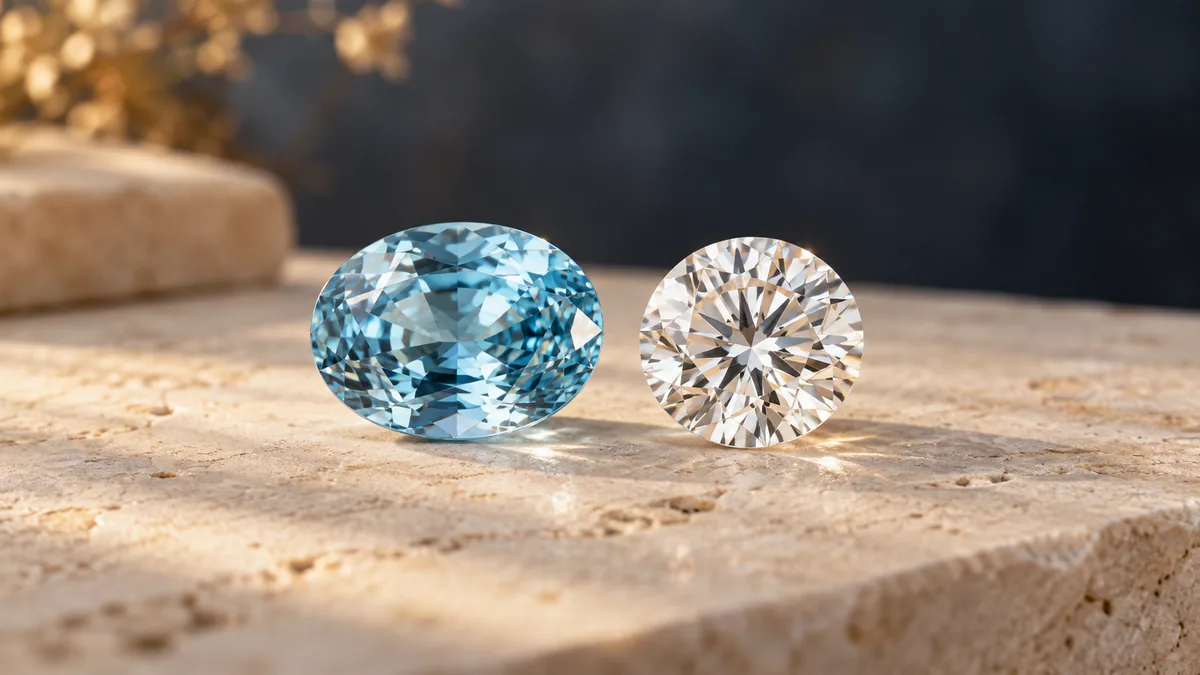
“Zircon” and “zirconia” are sometimes used imprecisely in advertisements, concealing an essential distinction for buyers.
The difference
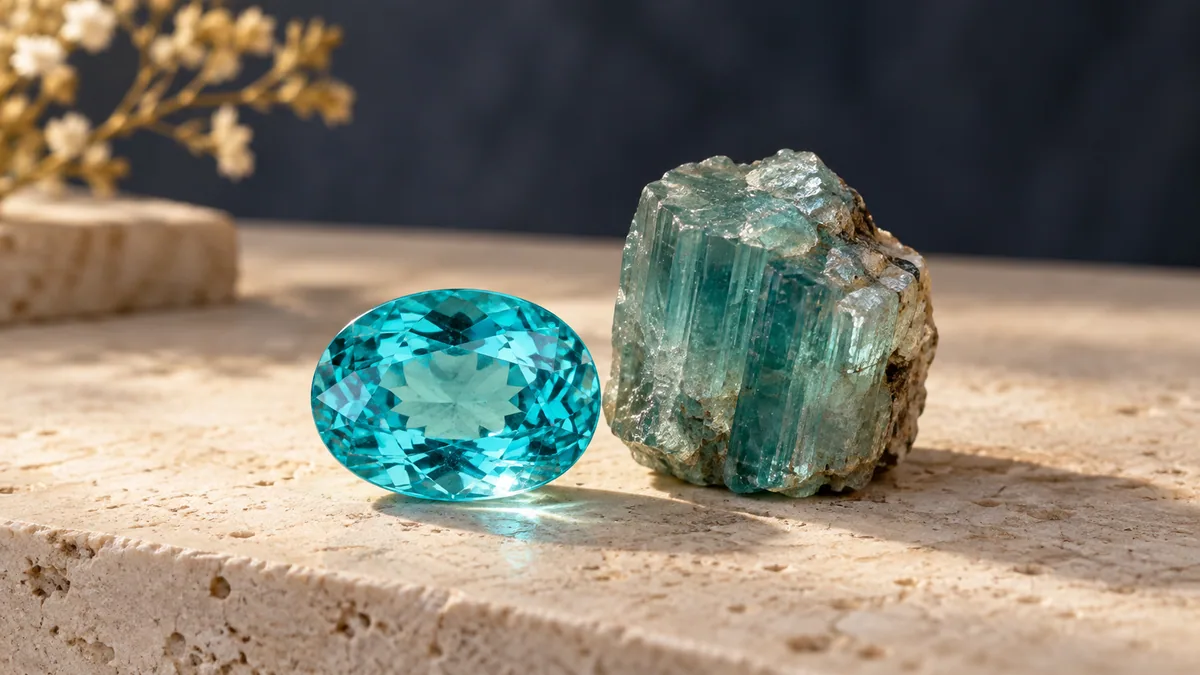
Zircon is a natural mineral used as a gemstone, with many colours and visible dispersion. Cubic zirconia, or CZ, is a different material manufactured for jewellery. It is neither enhanced natural zircon nor laboratory-grown diamond.
What the offer should state
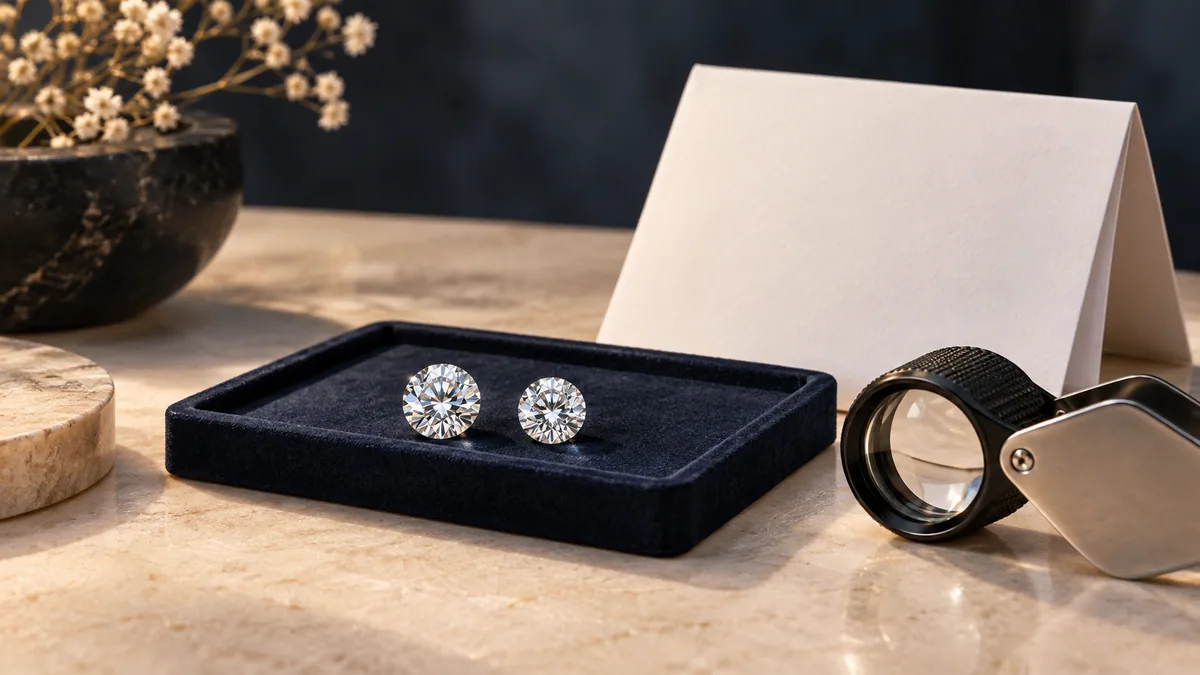
Request the full material name, natural or artificial origin and any disclosed treatments. “It sparkles like diamond” leaves identity unresolved.
Sparkle is insufficient to identify a colourless stone. Do not scratch glass or heat the stone as a test. Such demonstrations can damage jewellery and cannot reliably separate all similar-looking materials.
An informed choice
Natural zircon can appeal through colour and optical effect; CZ jewellery through design and budget. The important points are an accurate name and matching expectations. Keep the description on the invoice rather than only in conversation.
For an inherited colourless stone, begin with material identification. Read moissanite versus diamond for another common confusion. Similar appearance does not imply identical composition or formation history.
Sources and further reading
Research: 16 September 2026. An informative editorial guide; identifying a gemstone requires examination of the individual specimen.