Blog: Diamonds
Diamonds and gemstones: guides to choosing, treatments, care and gemmological news.
9 articles in category “Diamonds” · reset filters
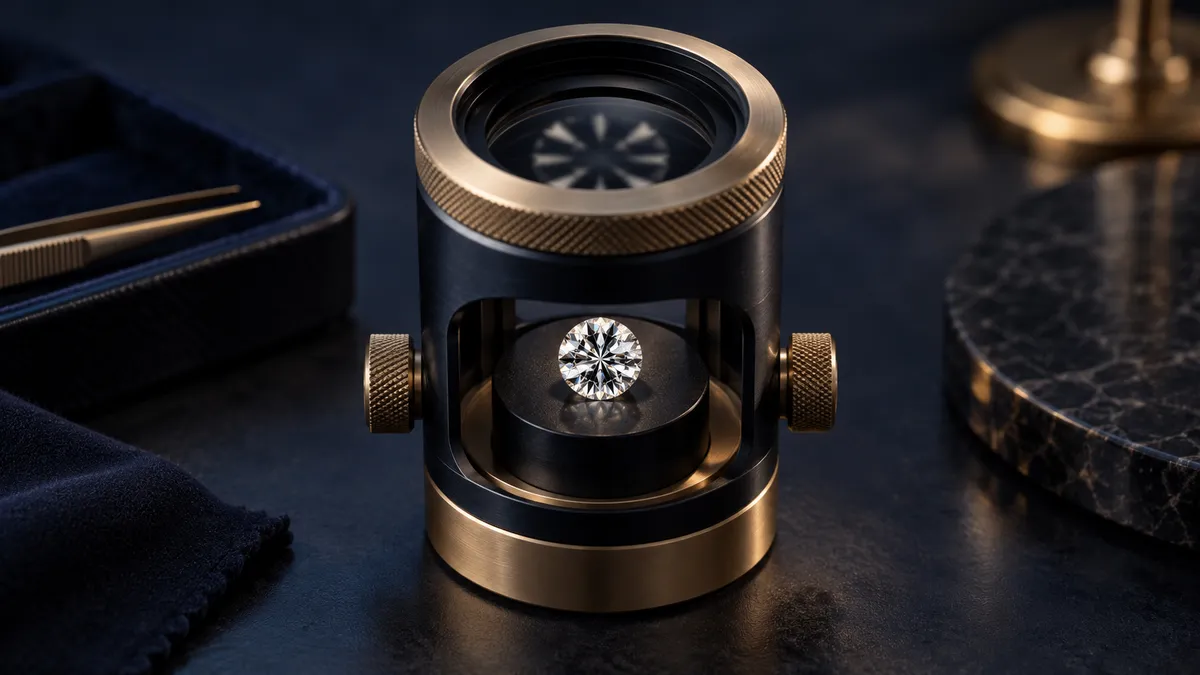
Hearts & Arrows: what the hearts and arrows really show
Eight hearts seen through the pavilion and eight arrows through the crown: Hearts & Arrows is a sign of a very precise cut. What it proves,…
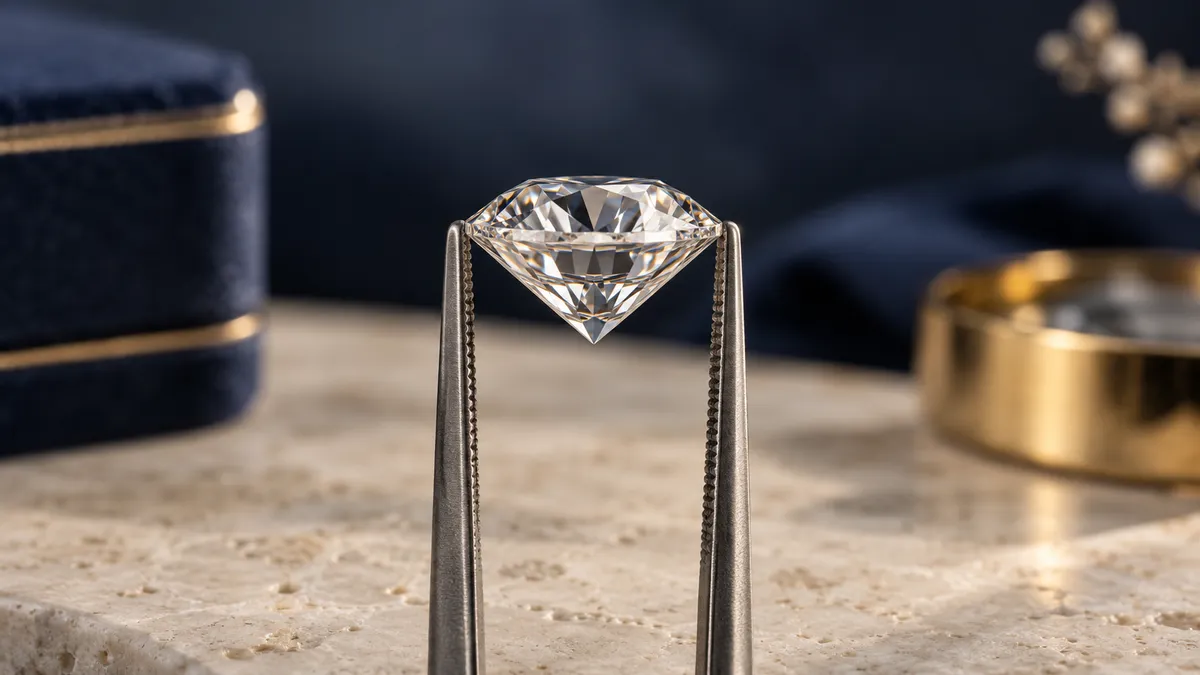
Proportions, polish, symmetry: the three grades behind “cut”
On an HRD Antwerp report, “cut” is not one grade but three: proportions, polish and symmetry. What each one measures, and which affects bri…
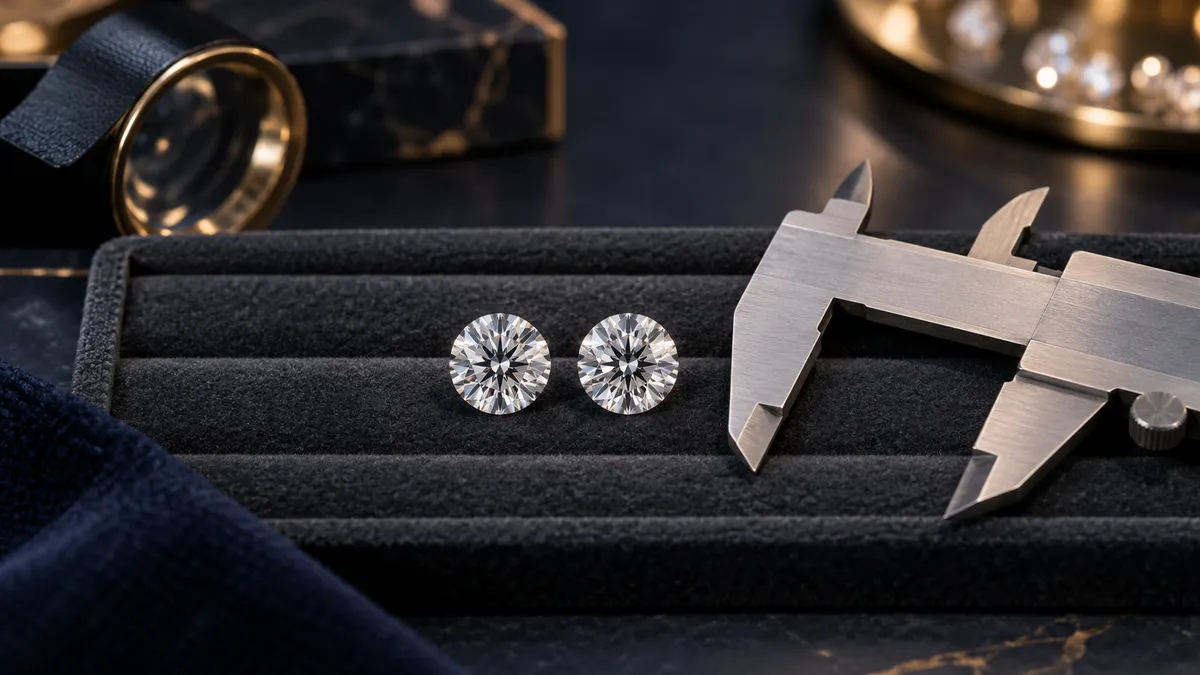
“Magic sizes”: why 0.99 ct costs less than 1.00 ct
The per-carat price of diamonds rises in steps, at “round” weights. That is why a 0.95 ct stone can cost noticeably less than a 1.00 ct one…
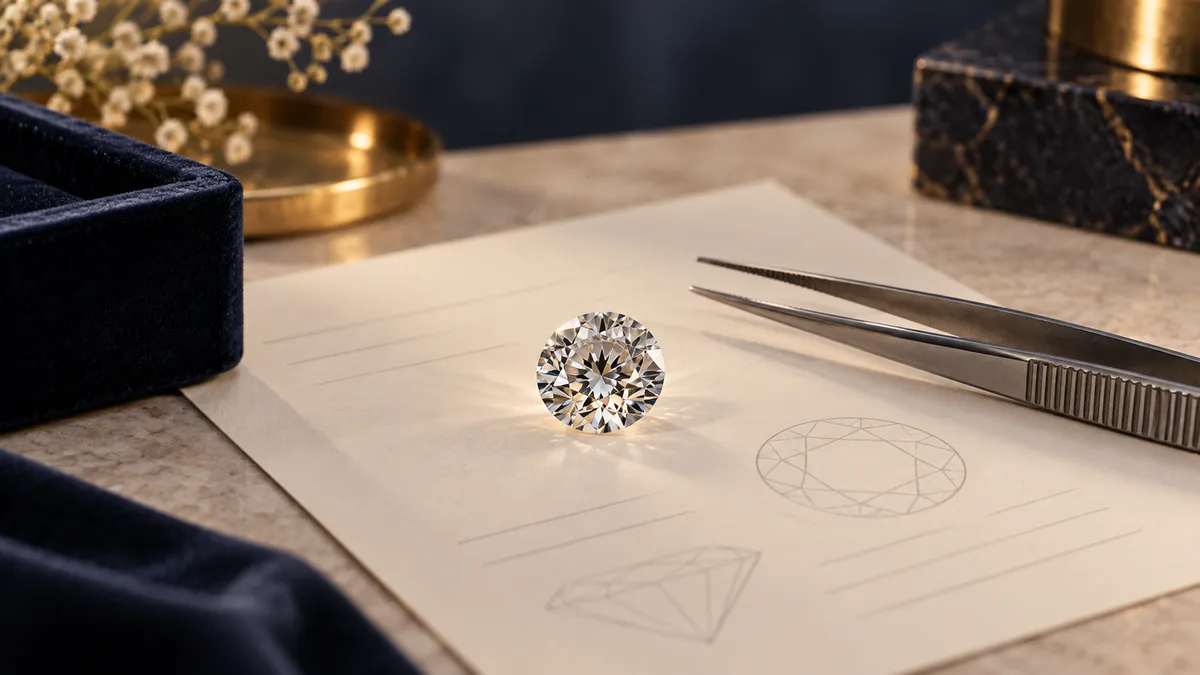
How to read an HRD Antwerp grading report, line by line
Weight to five decimals, three grades for cut, a plot of the inclusions and several report types. A practical guide to an HRD Antwerp docum…
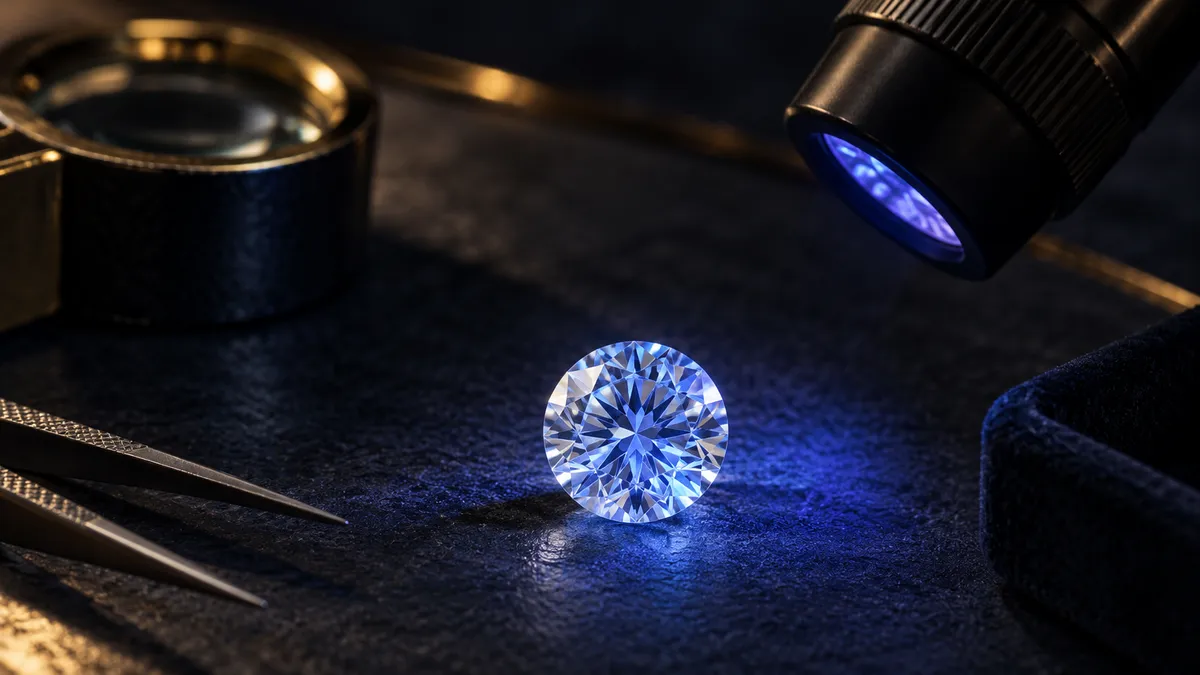
Diamond fluorescence: advantage, flaw or simply a characteristic
Under ultraviolet light, many diamonds glow blue. What “nil”, “slight”, “medium” or “strong” mean on a report, when the effect is visible,…
HRD vs GIA scale: what LC, VVS and P1 mean on a report
An HRD Antwerp report uses a few names of its own: LC instead of FL/IF, P1–P3 instead of I1–I3, and names such as “Rare White”. How to read…
The diamond 4Cs: comparing two stones with confidence
Carat weight, colour, clarity and cut: what the 4Cs describe and how to use them together when choosing a diamond.
Moissanite vs. diamond: recognising the difference
Moissanite may resemble diamond but is a different material. Learn why professional identification prevents an expensive misunderstanding.
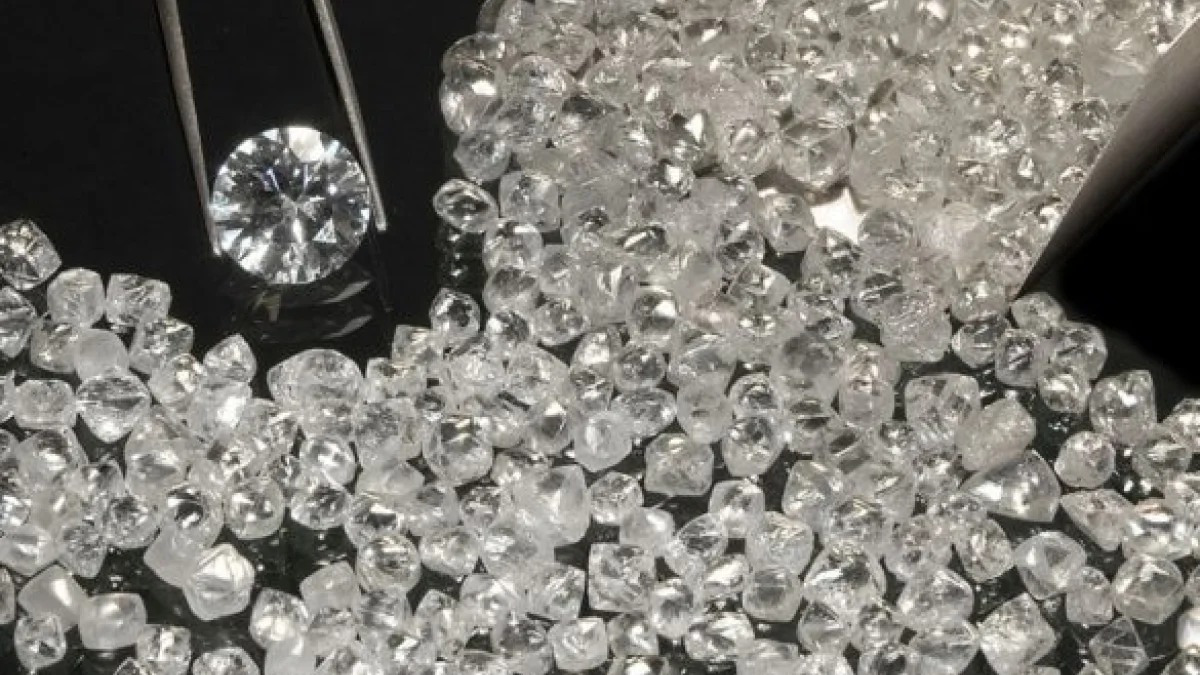
Natural vs. laboratory-grown diamonds: how to tell them apart
Laboratory-grown diamonds can look identical to natural diamonds. Discover the differences and why identification matters when buying.
Have a gemstone or jewellery item to examine?
Book an examination in Bucharest. Clear findings, a written report and no obligation.