Blog: Coloured gemstones
Diamonds and gemstones: guides to choosing, treatments, care and gemmological news.
12 articles in category “Coloured gemstones” · reset filters
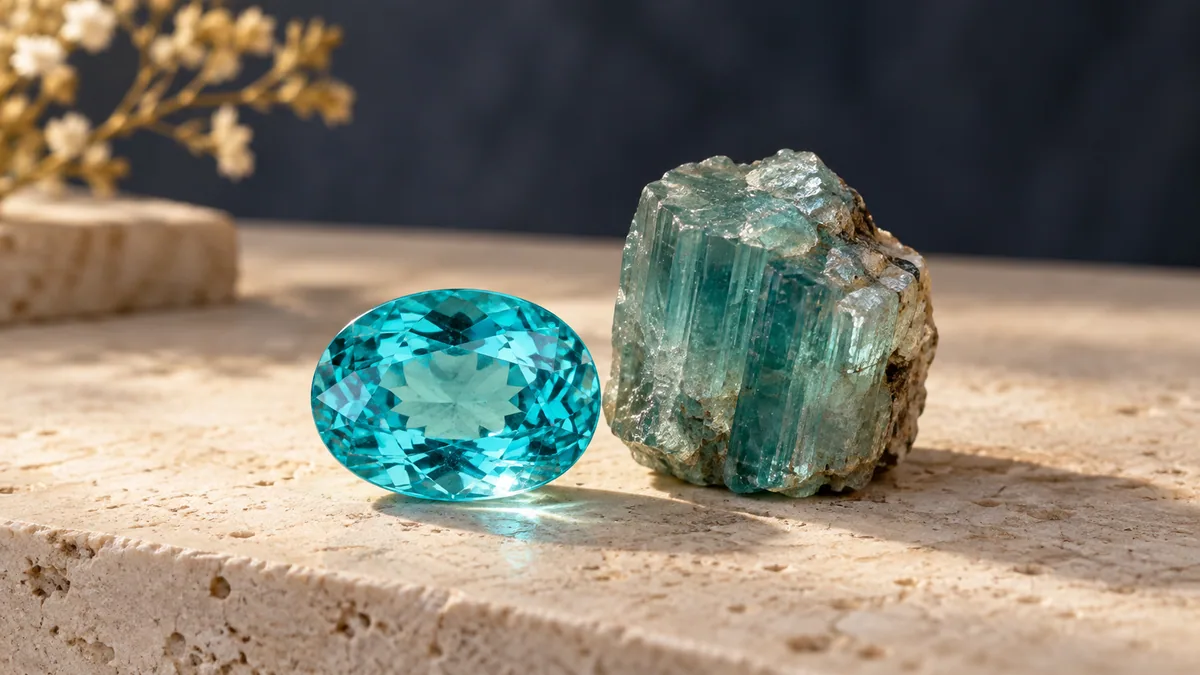
Paraíba tourmaline: the colour name does not prove Brazilian origin
Paraíba is associated with copper-bearing tourmaline. Distinguish variety identification from geographic origin determination.
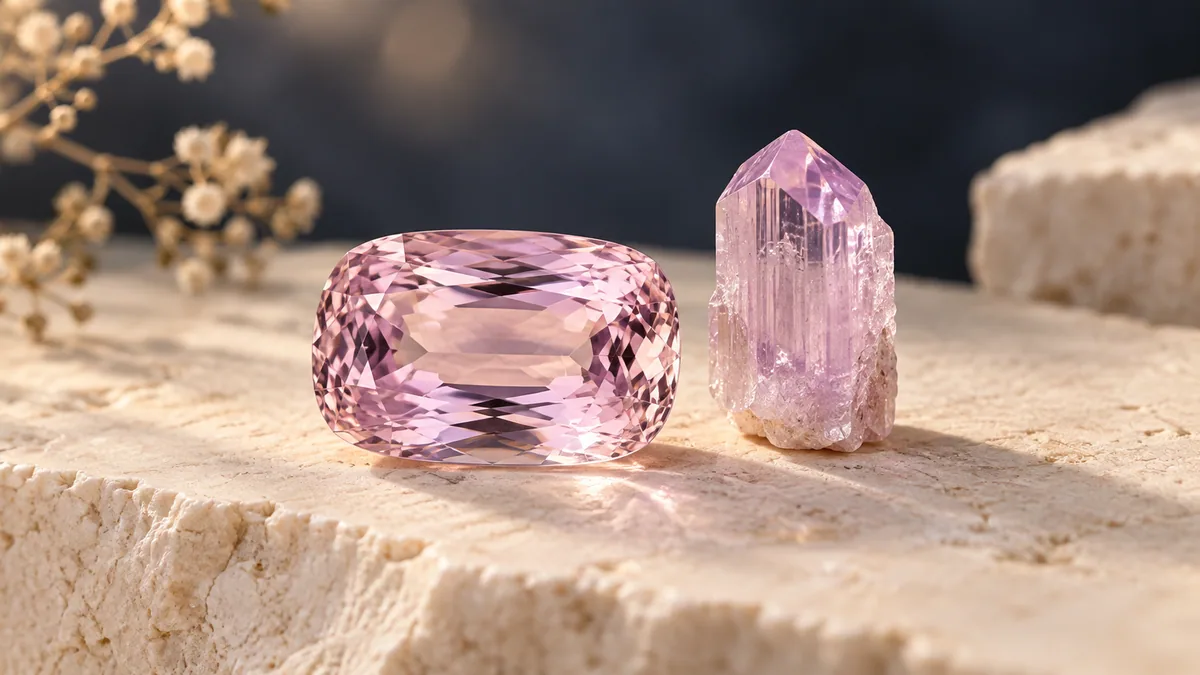
Kunzite: delicate pink and care around prolonged light exposure
Kunzite is a spodumene variety. Learn why light, heat and cleavage matter when choosing and storing jewellery.
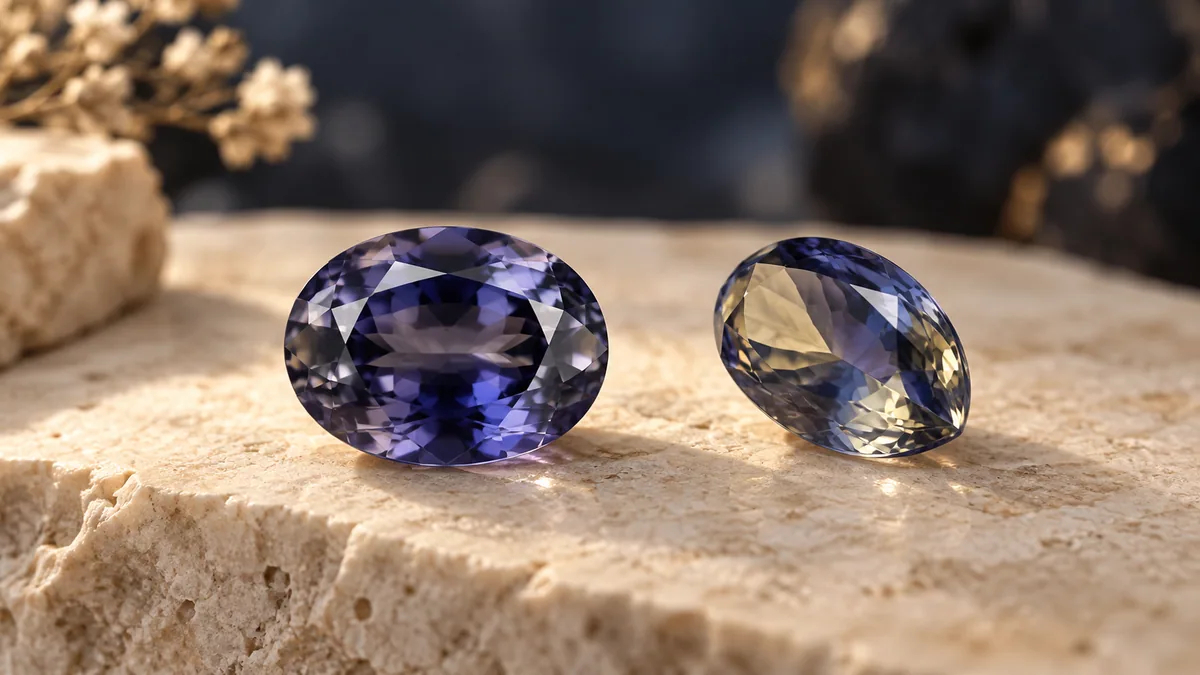
Iolite and “water sapphire”: why they are different minerals
Iolite is cordierite with pronounced pleochroism. Observe it in motion and understand why trade names can mislead.
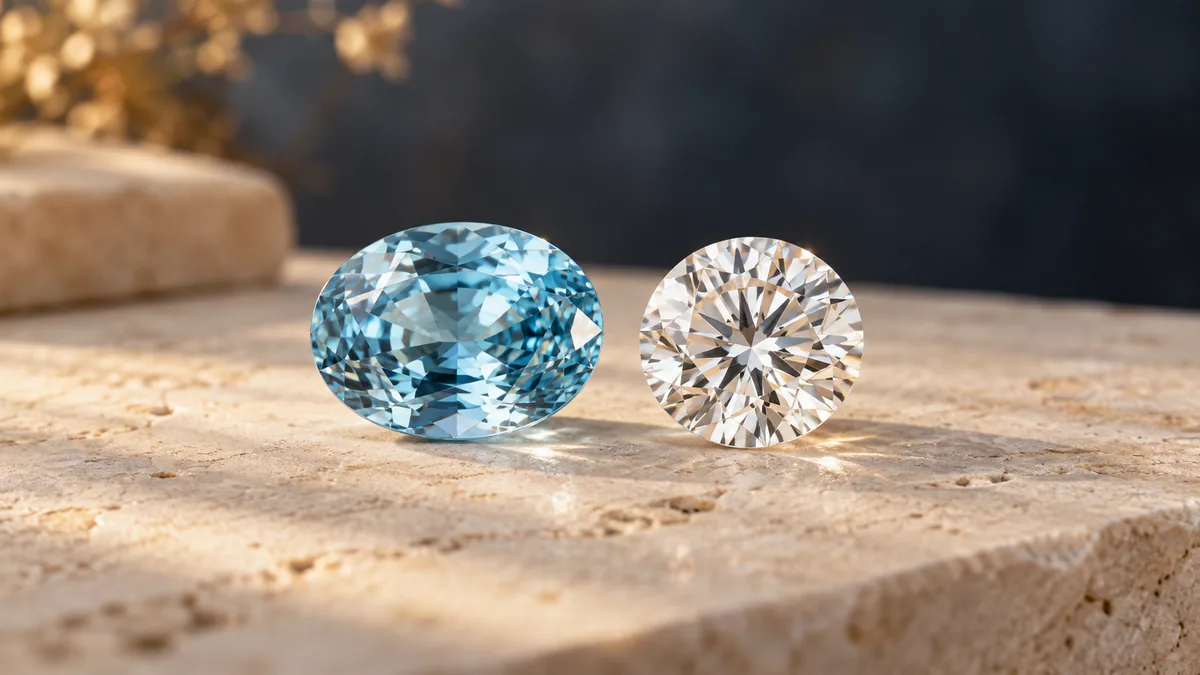
Natural zircon and cubic zirconia: similar names, different materials
Zircon is a natural gemstone distinct from cubic zirconia. Learn what to ask when an offer uses ambiguous abbreviations.
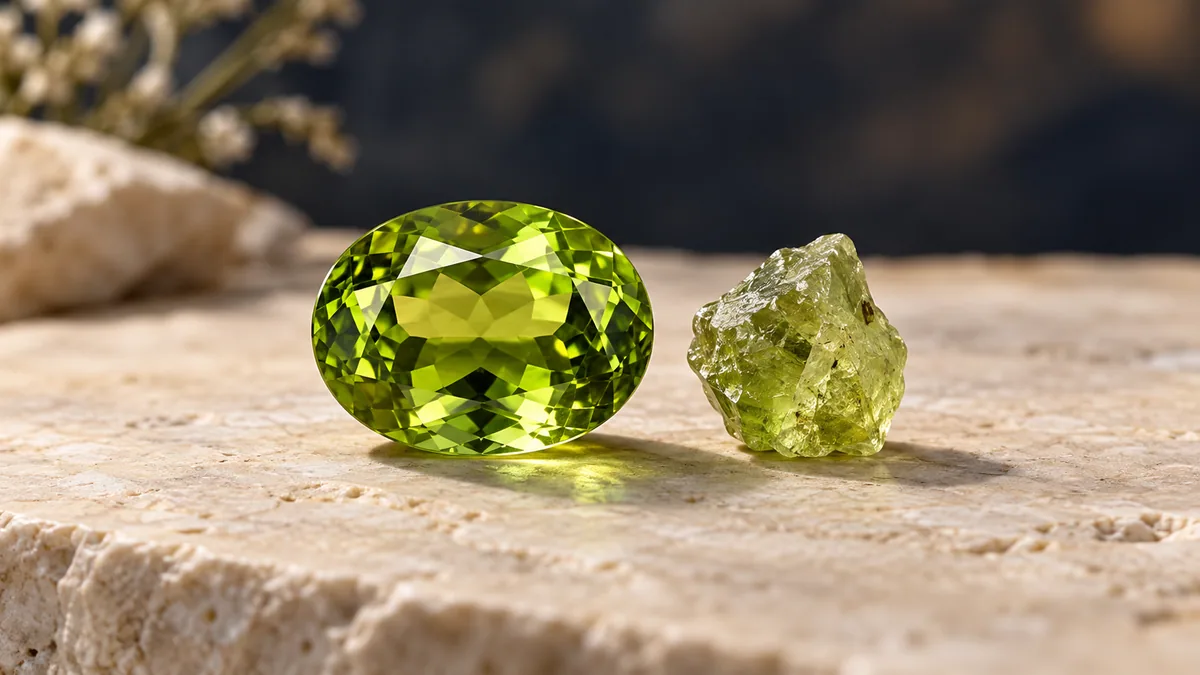
Peridot: olivine green and what to look for in jewellery
Peridot has characteristic green shades. Compare appearance and understand why origin stories cannot replace documentation.
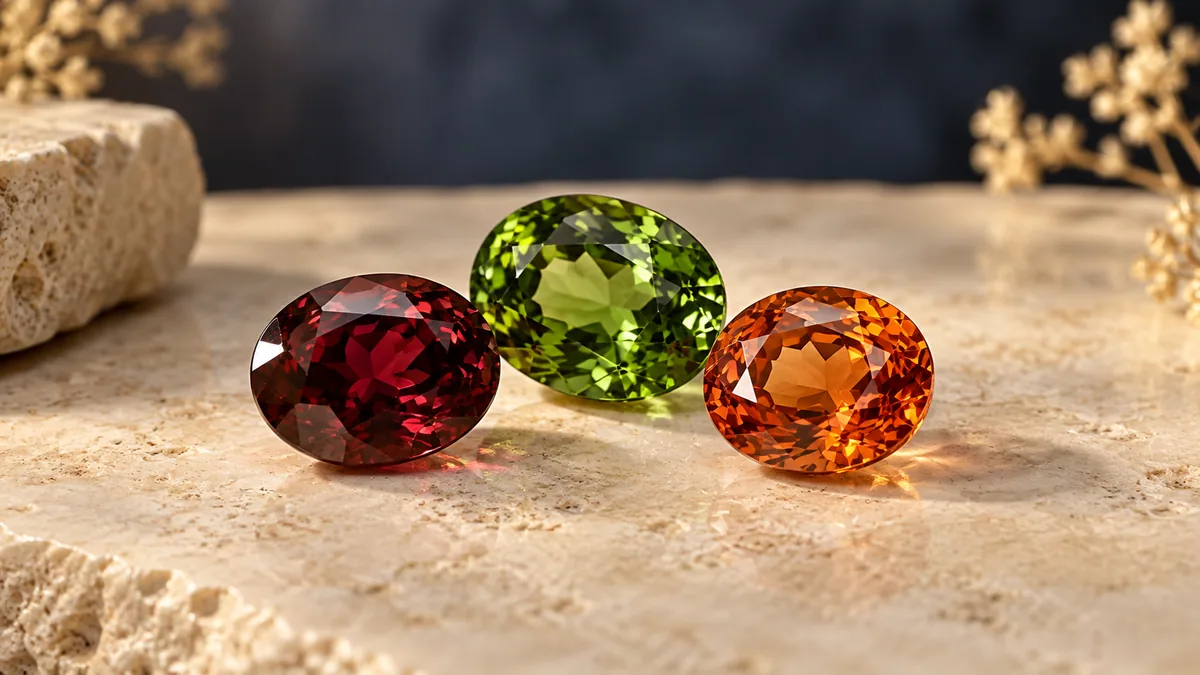
Garnet is more than red: tsavorite, demantoid, rhodolite and spessartine
Garnets form a mineral group with many colours. Understand variety names and why they should not all be compared alike.
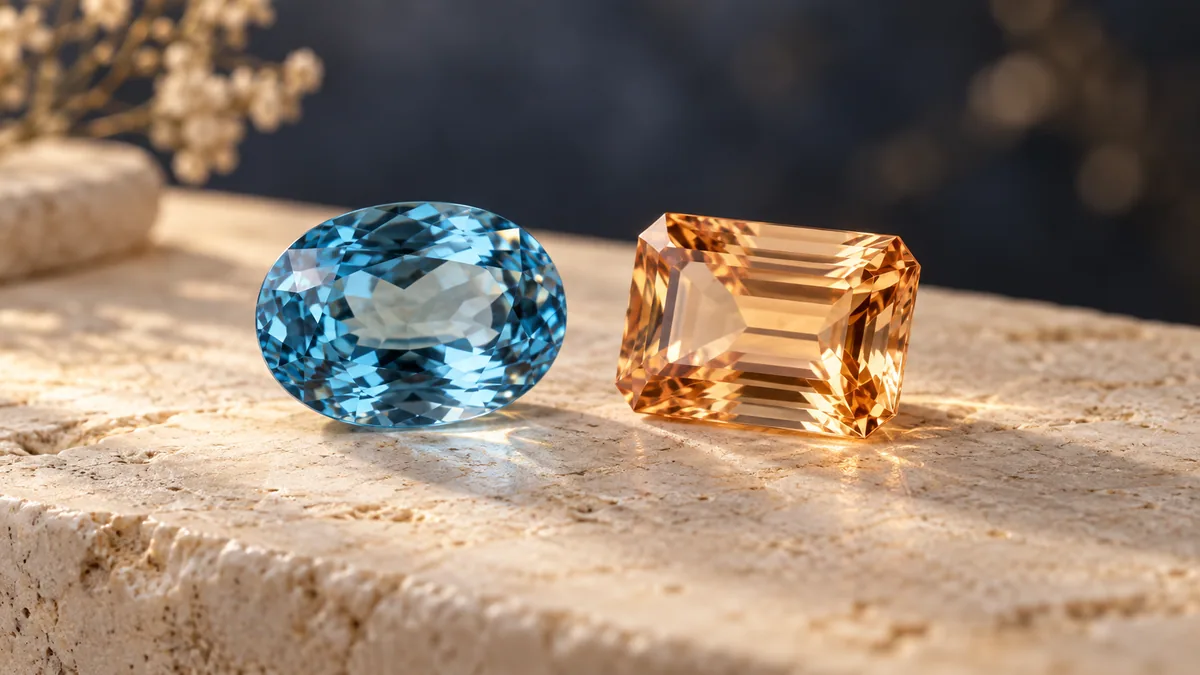
Blue and imperial topaz: names, treatments and care
Topaz occurs in many colours. Understand blue and imperial descriptions, treatments and what cleavage means for wear.
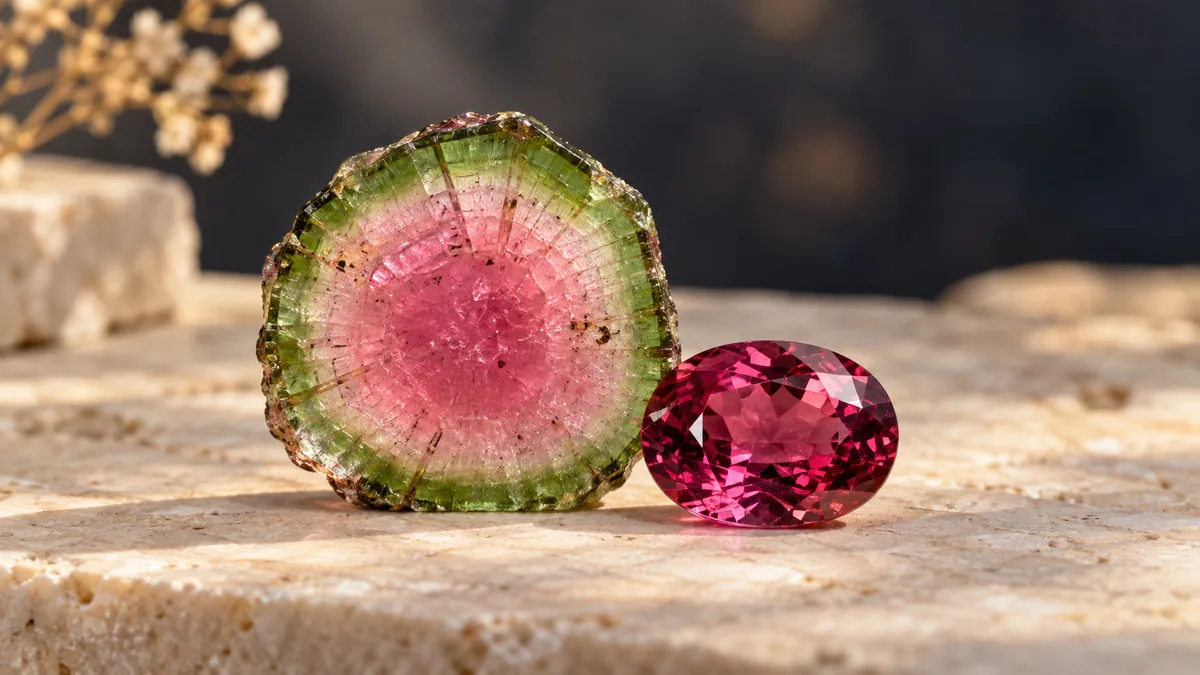
Tourmaline: rubellite, indicolite and bi-coloured stones explained
Tourmalines offer a wide palette. Understand their trade names and choose a gemstone with distinct colour zones.
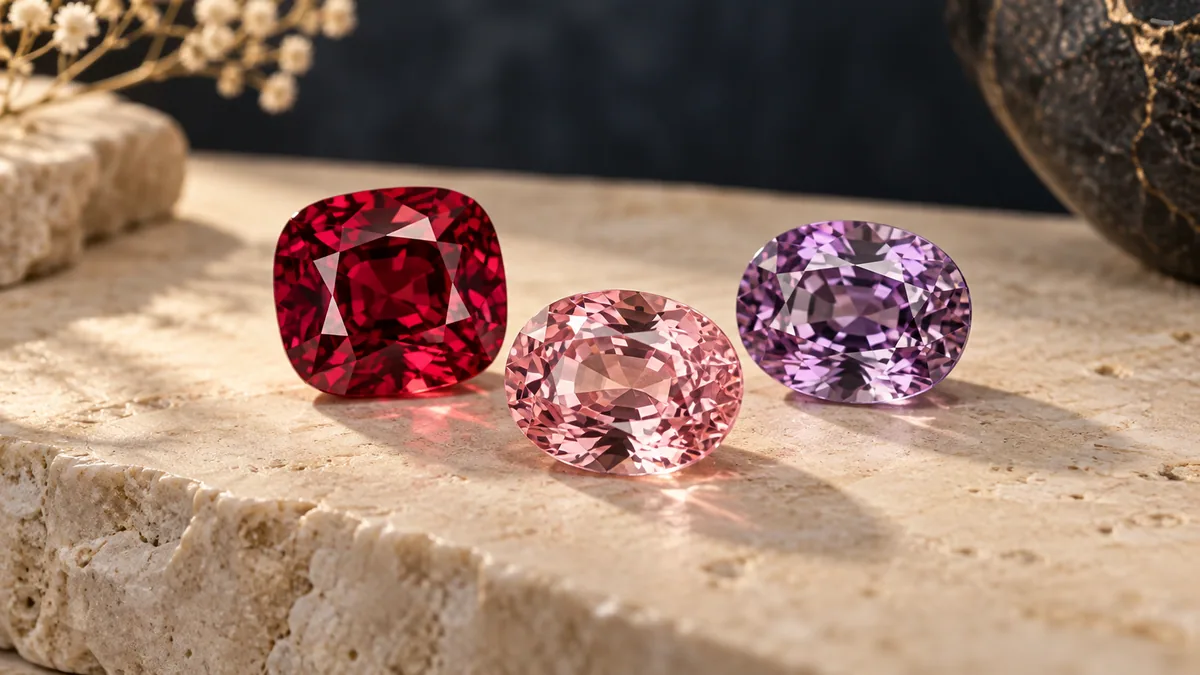
Spinel: a gemstone with its own identity, once mistaken for ruby
Spinel can be red, pink, violet or blue. Appreciate it on its own merits rather than simply as a ruby substitute.
Have a gemstone or jewellery item to examine?
Book an examination in Bucharest. Clear findings, a written report and no obligation.