Blog — diamonds and gemstones
Diamonds and gemstones: guides to choosing, treatments, care and gemmological news.
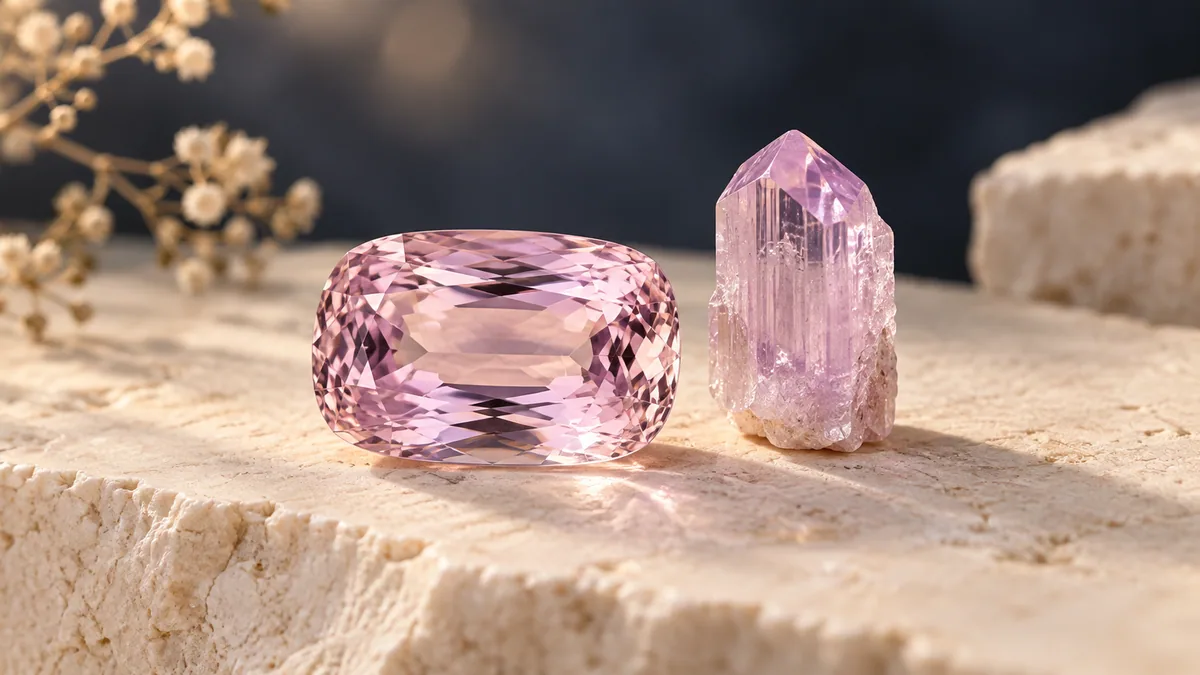
Kunzite: delicate pink and care around prolonged light exposure
Kunzite is a spodumene variety. Learn why light, heat and cleavage matter when choosing and storing jewellery.
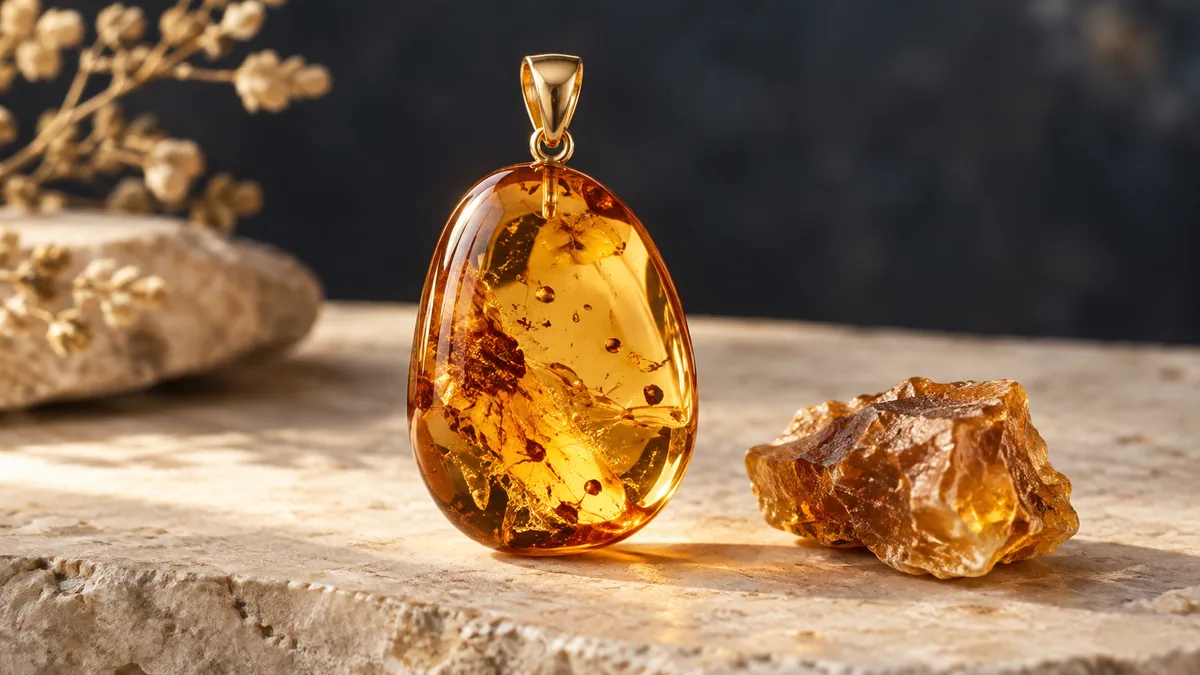
Amber, copal and imitations: why an insect is not proof
Amber is fossilised resin. Clarify material and inclusions without destructive home tests.
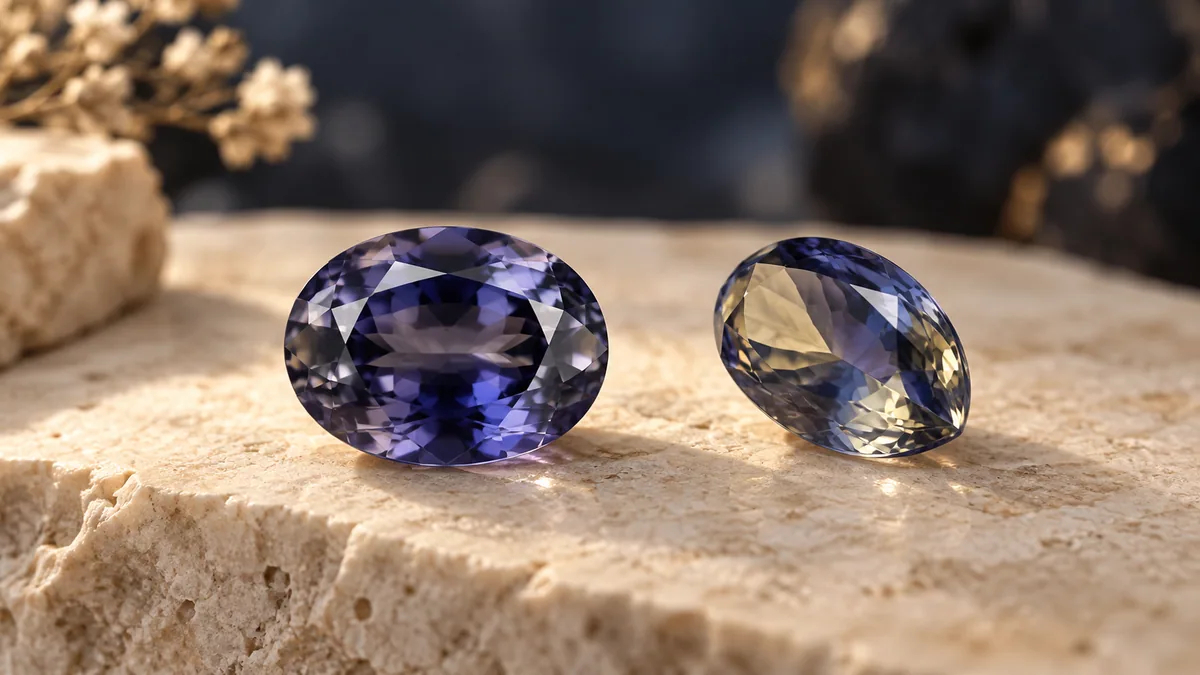
Iolite and “water sapphire”: why they are different minerals
Iolite is cordierite with pronounced pleochroism. Observe it in motion and understand why trade names can mislead.
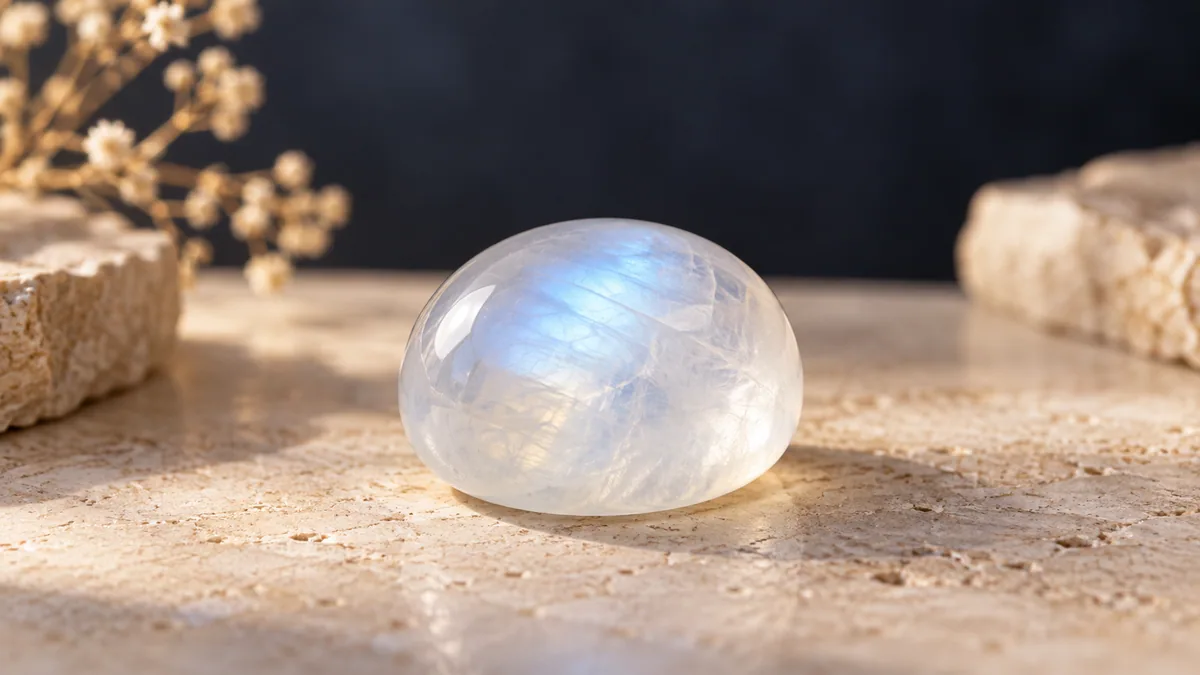
Moonstone: adularescence and choosing a cabochon
Moonstone’s moving glow is an optical effect. Learn how to view it and clarify offers described as rainbow moonstone.
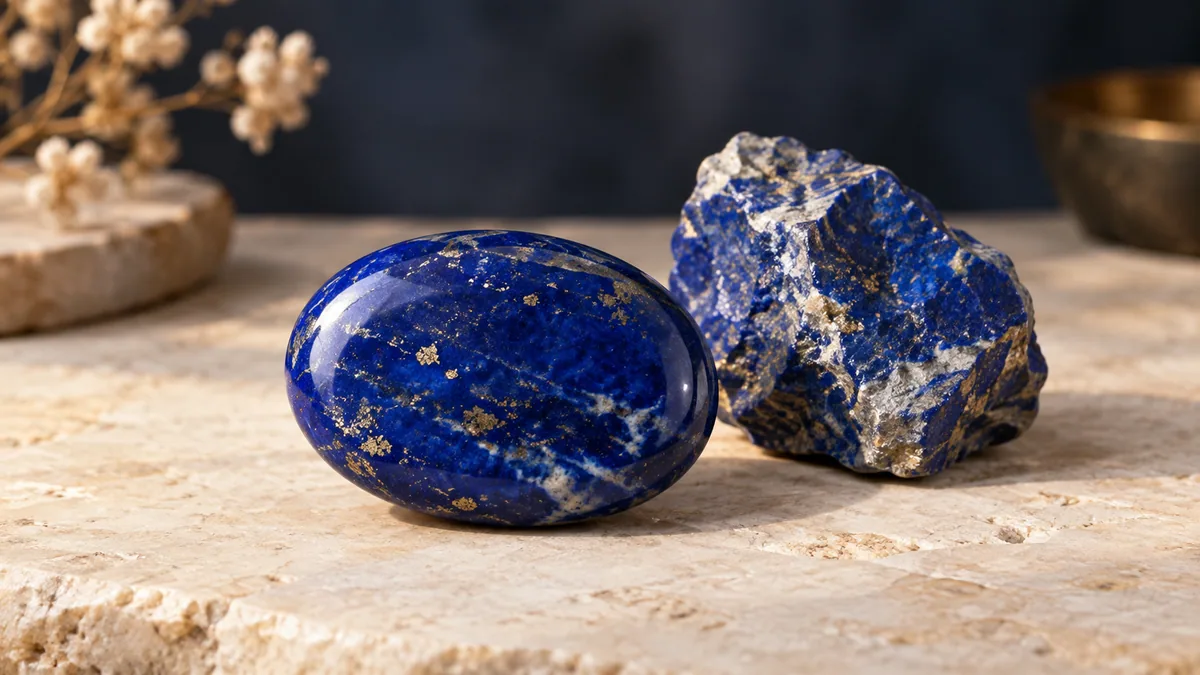
Lapis lazuli: blue, calcite and sparkling pyrite
Lapis lazuli is a rock containing several minerals. Appreciate its pattern and understand why golden flecks are not gold.
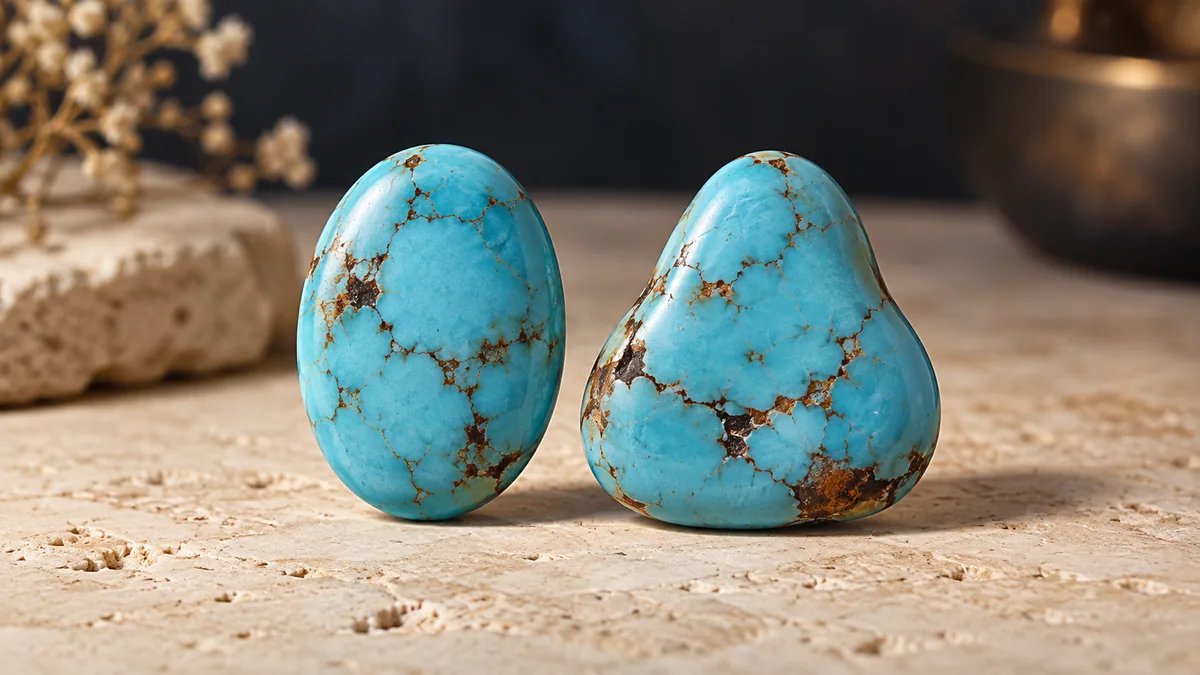
Natural, stabilised or imitation turquoise: reading the offer
Turquoise may be treated, and other materials imitate it. Learn what a complete description should contain.
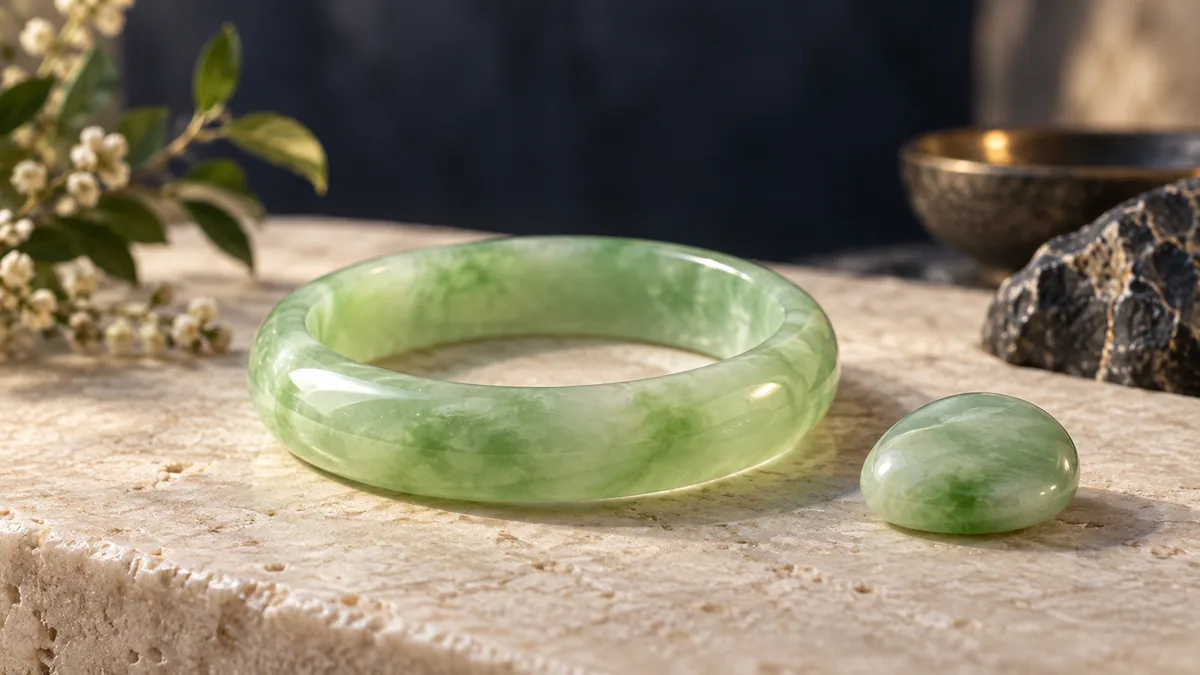
Jade: jadeite, nephrite and questions about treatments
Jade covers commercially related but mineralogically different materials. Read descriptions carefully and ask about treatments.
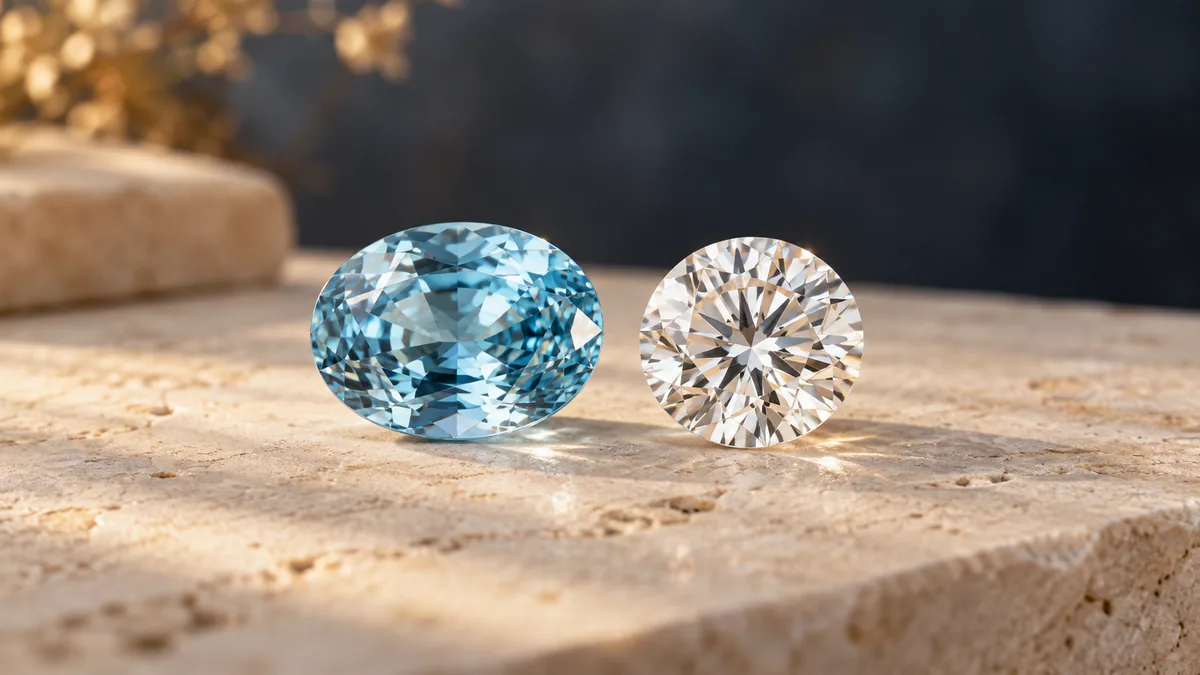
Natural zircon and cubic zirconia: similar names, different materials
Zircon is a natural gemstone distinct from cubic zirconia. Learn what to ask when an offer uses ambiguous abbreviations.
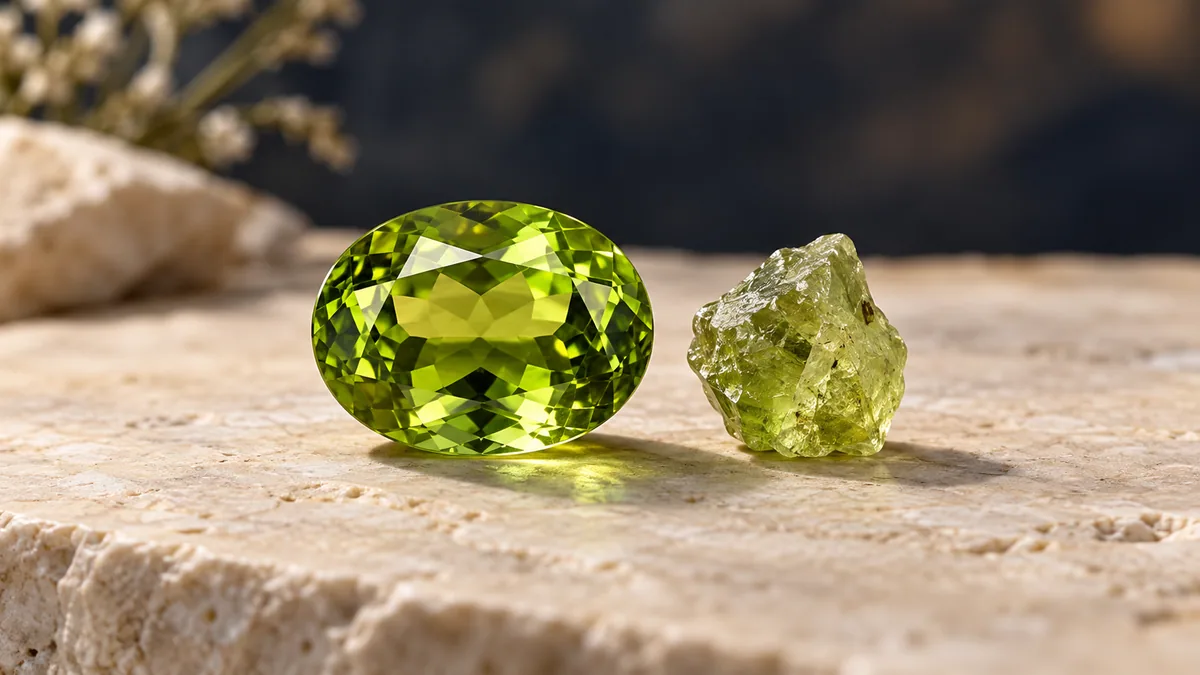
Peridot: olivine green and what to look for in jewellery
Peridot has characteristic green shades. Compare appearance and understand why origin stories cannot replace documentation.
Have a gemstone or jewellery item to examine?
Book an examination in Bucharest. Clear findings, a written report and no obligation.