Natural vs. laboratory-grown diamonds: how to tell them apart
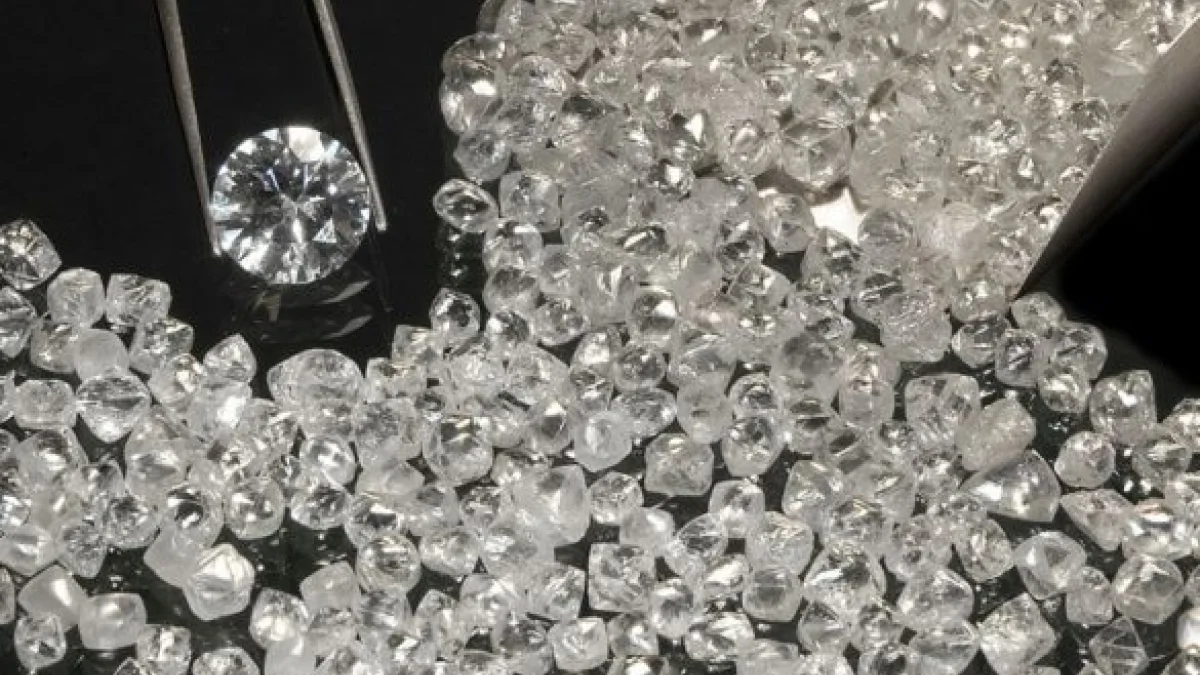
A natural diamond forms through geological processes, while a laboratory-grown diamond is produced technologically. Their composition and appearance are similar, but specialised gemmological tests distinguish their origin. Their market values differ substantially.
Laboratory-grown diamonds have become increasingly common. They are real diamonds, with the same chemical composition and fundamental properties as natural diamonds, but are grown using processes such as HPHT and CVD.
The main differences
- Origin: geological formation versus technological growth.
- Price: laboratory-grown diamonds generally cost substantially less.
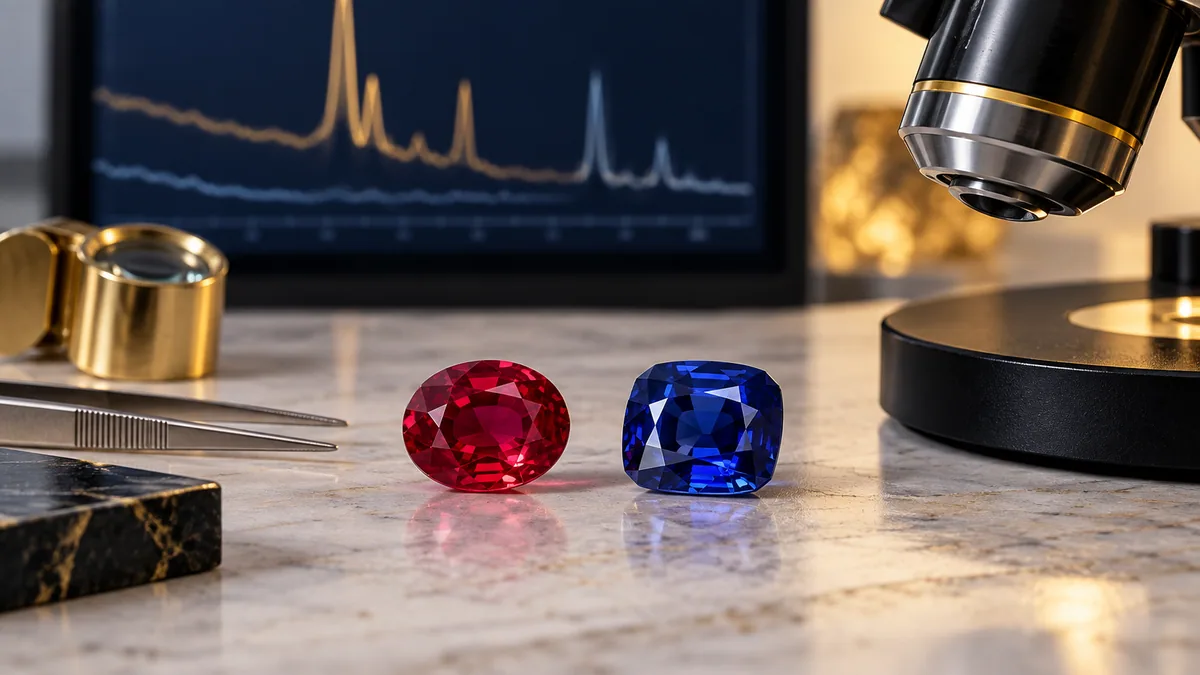
- Identification: appearance alone cannot establish origin; specialised gemmological testing is required.
Why it matters
Two similar-looking stones can have very different market values. Before a significant purchase, a gemmological examination establishes what you are buying and supports an informed decision.
Have a diamond to examine? Explore diamond origin testing or book an examination.