Oil and resin in emeralds: understanding clarity enhancement
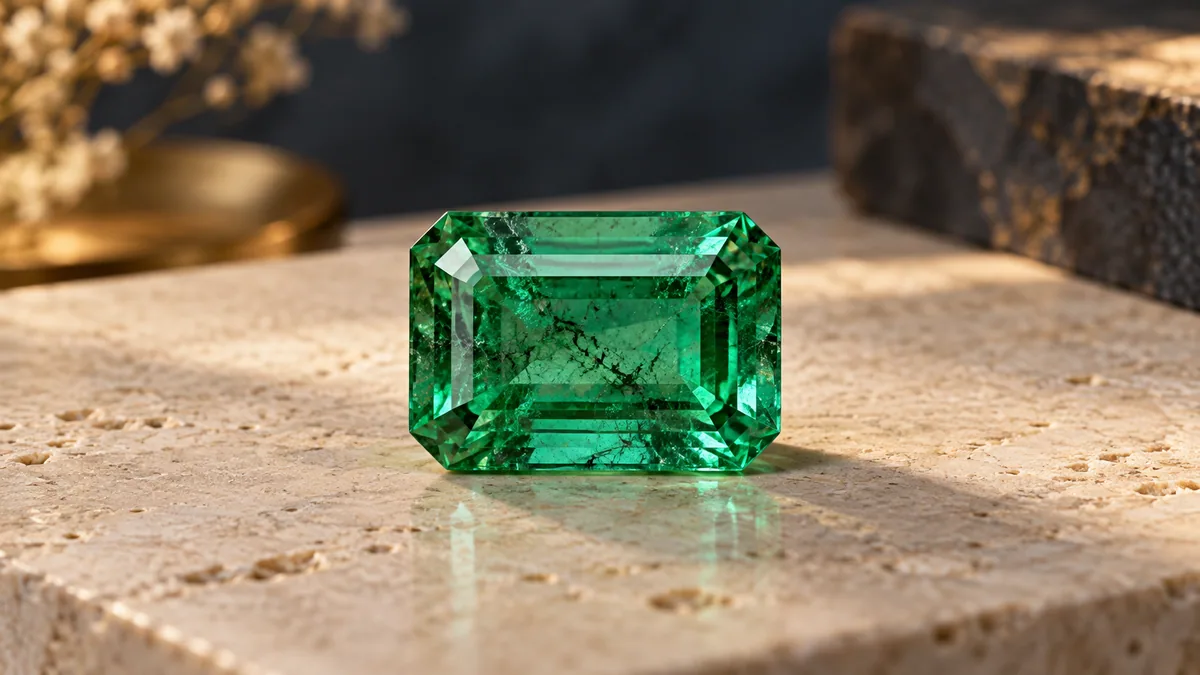
An emerald may appear more transparent after fractures are filled. The useful question is what intervention exists and how it is documented, rather than dividing treatments simplistically into good and bad.
The purpose of filling
Oils and resins can reduce the visibility of surface-reaching fractures. A naturally formed stone remains a natural emerald, but its appearance has been enhanced. A report may describe the degree of clarity enhancement; read the laboratory's explanation of its terminology.
A short checklist
- Are indications of clarity enhancement present?
- Is the filling material specified, or only the extent?
- Does the report concern a loose or mounted stone?
- Which care instructions accompany the jewellery?
If a seller says “only oil”, request written disclosure and gemmological support. “Only” does not explain the extent. Equally, a general mention of resin does not fully describe every fracture or condition issue.
Making an informed choice
Treated jewellery can still appeal to you. Its description must correspond to the item and your expectations. Do not apply an online percentage discount to every emerald: a meaningful comparison requires relevant stones and conditions.
Show the report to the workshop before repair. Do not try removing fillers with solvents to discover the earlier appearance; you may alter the item. For everyday use, read our emerald ring care guide.
Sources and further reading
Research: 16 September 2026. An informative editorial guide; identifying a gemstone requires examination of the individual specimen.