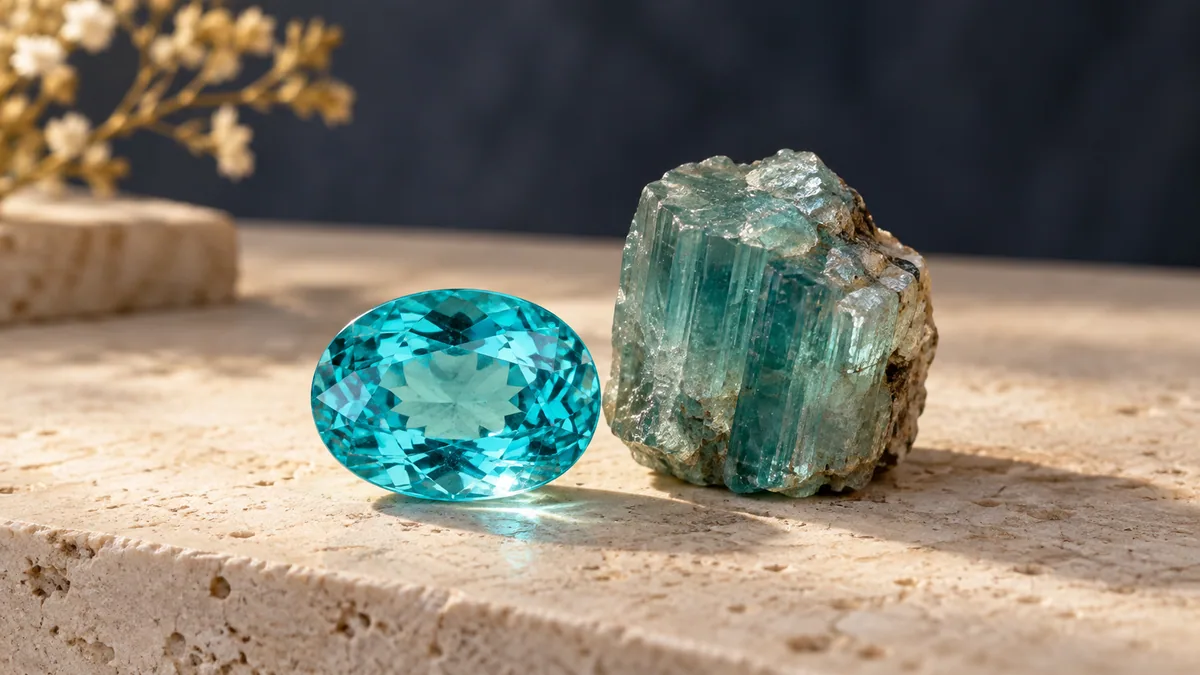
Emerald inclusions: what “jardin” means and when it matters
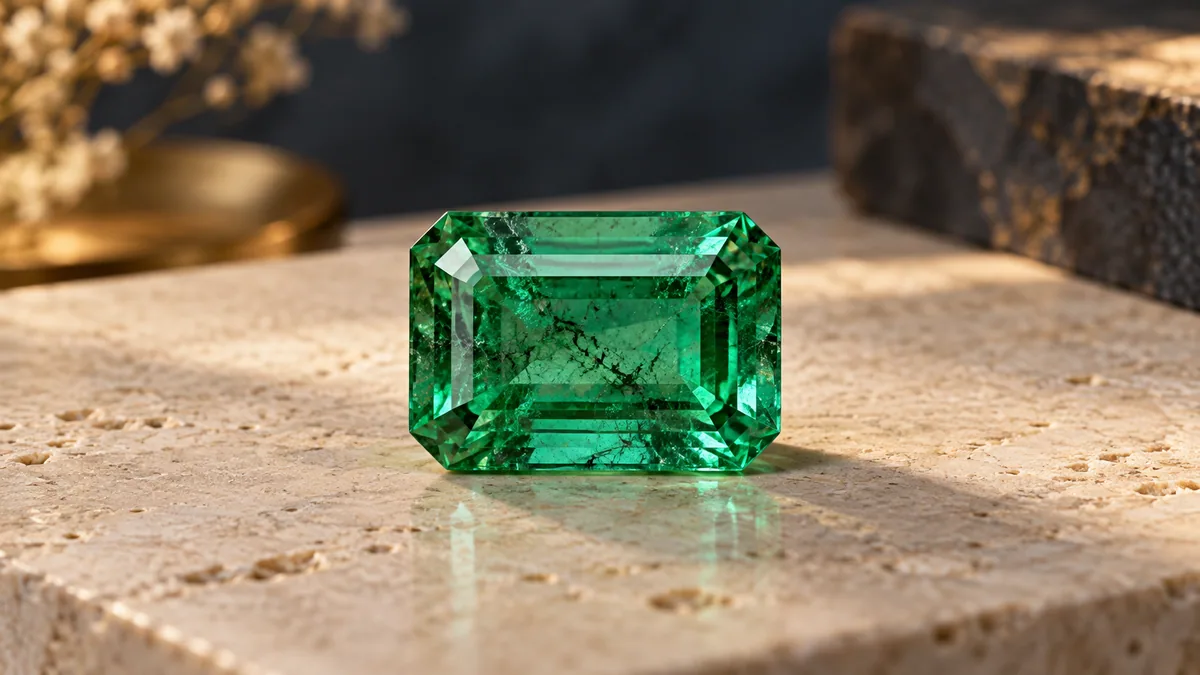
An emerald should not be judged by expectations for a colourless diamond. Internal appearance affects how it is viewed and compared, but romantic descriptions should not conceal practical problems.
What “jardin” describes
Emerald is green beryl. Its inclusions can create an evocative appearance commercially called “jardin”, meaning garden. Inclusions are common, but their location and effect on transparency matter. A dense network does not become a quality advantage simply through an attractive name.
What you can observe
Check whether the stone remains bright and whether you enjoy its green in ordinary conditions. Observe edges, corners and any surface-reaching fractures. These observations suggest questions, but cannot establish treatment or country of origin.
You might accept an internal appearance in a pendant that you would not prefer in a ring. Exposure to knocks and the viewing distance differ. Discuss the intended use with the examiner before choosing a setting.
Natural does not mean untreated
A natural emerald can have filled fractures. Request a report and offer separating identity from clarity enhancement. Neither the presence nor absence of obvious inclusions in a photograph resolves these questions.
Read about oil and resin in emeralds. Bring old documents for inherited jewellery to an emerald valuation: they provide context but cannot replace current examination.
Sources and further reading
Research: 16 September 2026. An informative editorial guide; identifying a gemstone requires examination of the individual specimen.