Heated, unheated or diffusion-treated sapphire: reading the report
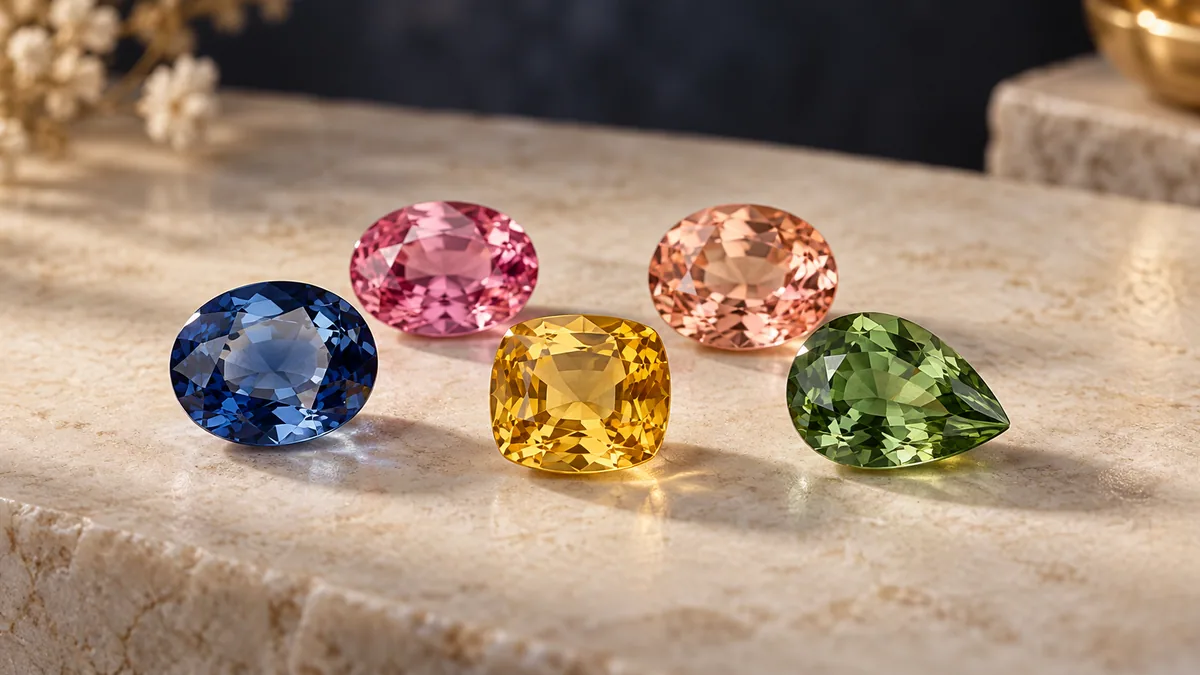
“Natural” and “untreated” are not synonyms. The first describes formation; the second concerns subsequent interventions. Clarify this distinction before negotiating for a sapphire.
How the processes differ
Heating is used to alter colour or the appearance of inclusions. Diffusion treatments introduce elements that change colour at high temperatures. The depth of the change varies with the process. Describing every intervention vaguely as “slightly heated” is misleading.
Read the exact conclusion
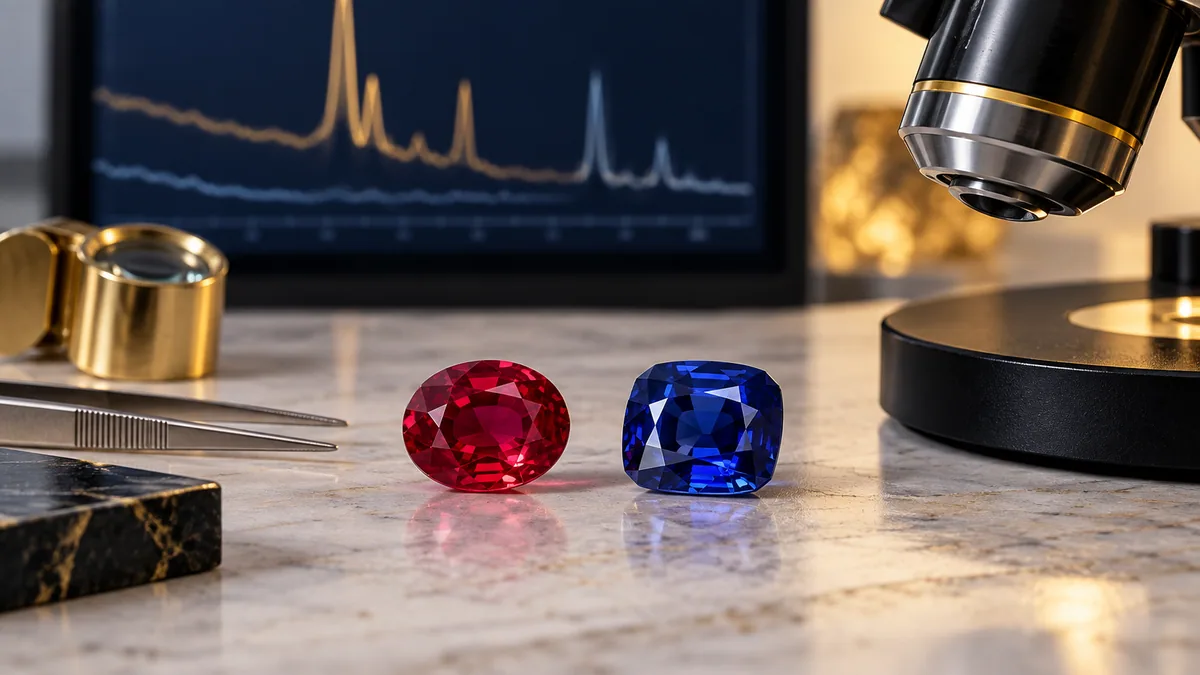
Statements such as “no indications of heating were observed” express examination findings. Preserve the laboratory's wording when describing the stone. Do not expand it into promises about every possible treatment or the entire jewellery history.
Check which service was requested: identification, treatment analysis, origin determination or a combination. A document confirming identity should not be assumed to answer all other questions.
Using the information
If two sapphires appeal equally, compare their offers after recording treatments alongside dimensions and appearance. There is no universal percentage by which every treatment reduces value. Without identification and comparable conditions, such a calculation misleads.
Give the workshop the documents before recutting or repair. Mechanically altering a stone is different from cleaning it. For advice specific to your item, arrange a sapphire valuation.
Sources and further reading
GIA — gemmological reference · GIA — gemmological reference
Research: 16 September 2026. An informative editorial guide; identifying a gemstone requires examination of the individual specimen.