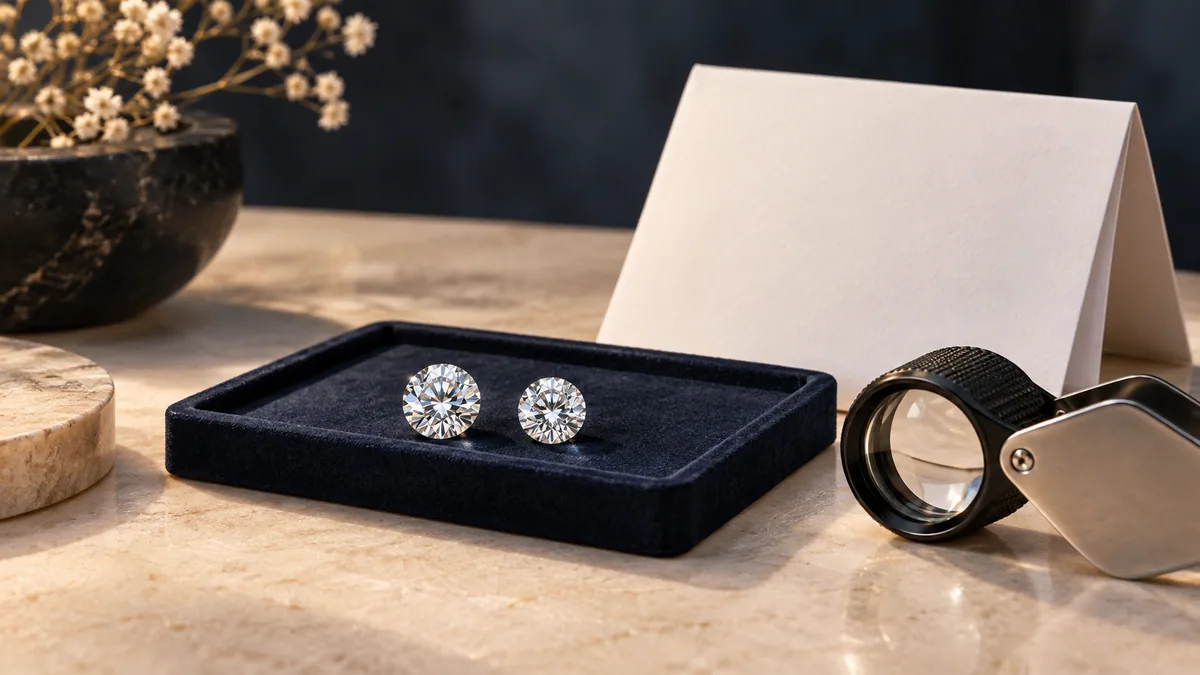
Ruby rings: checking the setting and caring for your jewellery
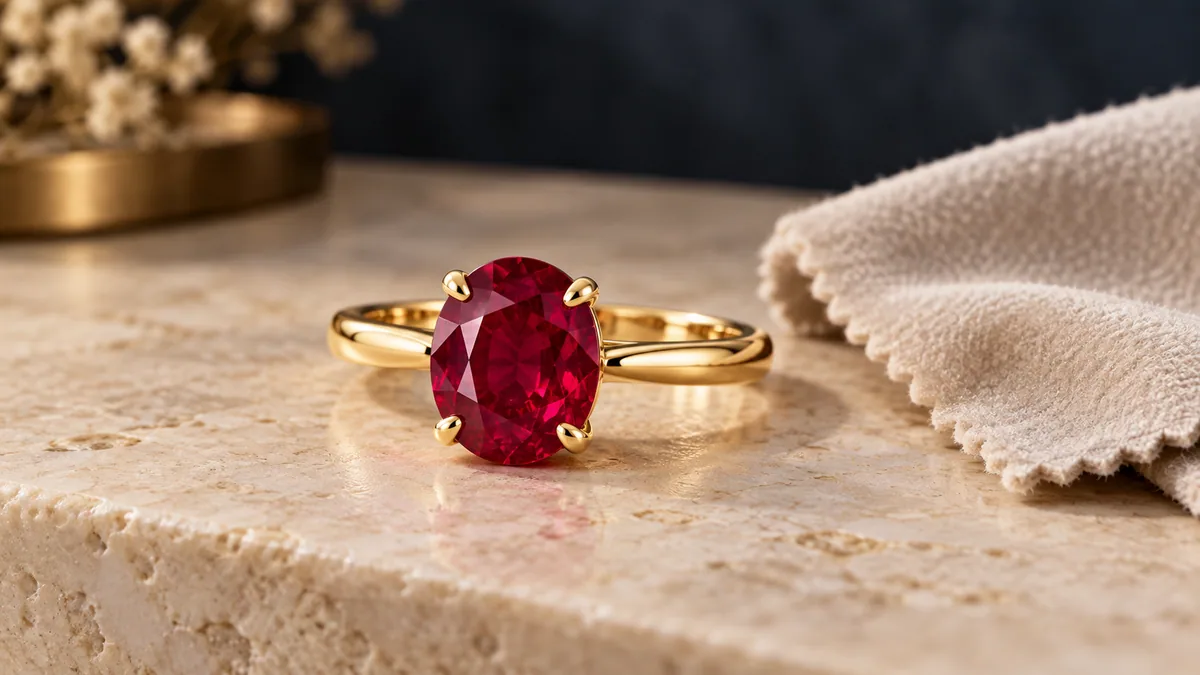
A ring experiences more knocks than a pendant. When choosing a ruby for frequent wear, consider the whole item: stone, metal, setting and how you use it.
Hardness does not protect the setting
Corundum has a Mohs hardness of 9, indicating high scratch resistance. This does not make the stone or claws indestructible. Treatments and fractures must be considered separately; cleaning advice for an unfilled ruby cannot automatically be applied to a filled stone.
A simple check before wearing
Look at the ring from the side. Are the edges protected? Do the claws catch clothing? Have gaps appeared or has the stone moved? If you notice movement, stop wearing it and have the setting checked. Do not tighten claws with household pliers.
For a gift, discuss setting height too. Someone who works extensively with their hands may prefer a lower profile. The most striking display model is not necessarily the most comfortable for their routine.
Good storage habits
Remove the ring before activities involving impacts or cleaning products. Store it separately and keep a photographed, archived report. Follow cleaning instructions suited to its treatment and setting; obtain those instructions before intervention if they are missing.
Age does not rule out treatments in inherited jewellery. A ruby valuation and a workshop inspection answer complementary questions: what the stone is and what condition the item is in.
Sources and further reading
Research: 16 September 2026. An informative editorial guide; identifying a gemstone requires examination of the individual specimen.